CASA DAS 2 VIGAS ⌥ PREMIADA
TIBAU DO SUL | RN | BRASIL
100 M²
LUMINOTÉCNICA: LANFRANCHI CONSULTORIAS
CONSTRUTORA: PODIUM
FOTOS: NELSON KON
2011-2015
POR |
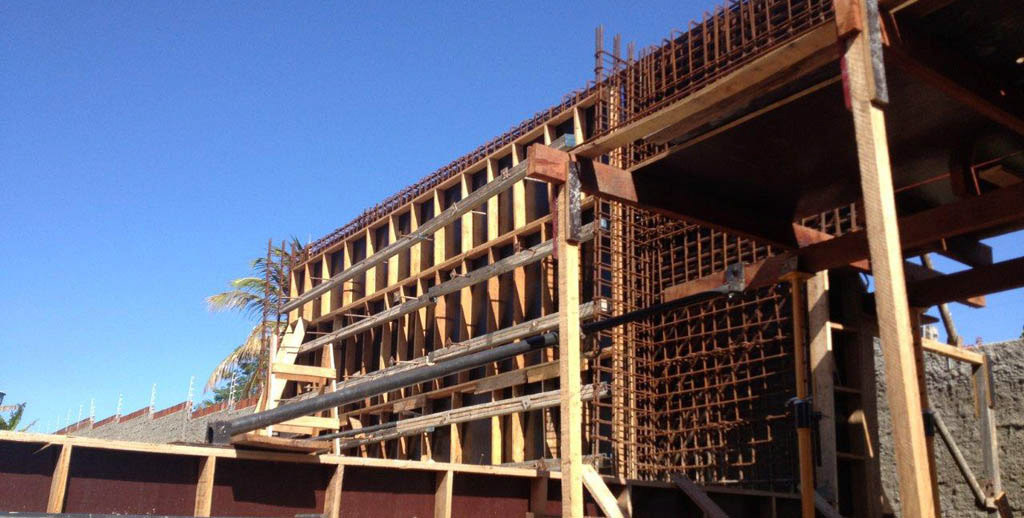
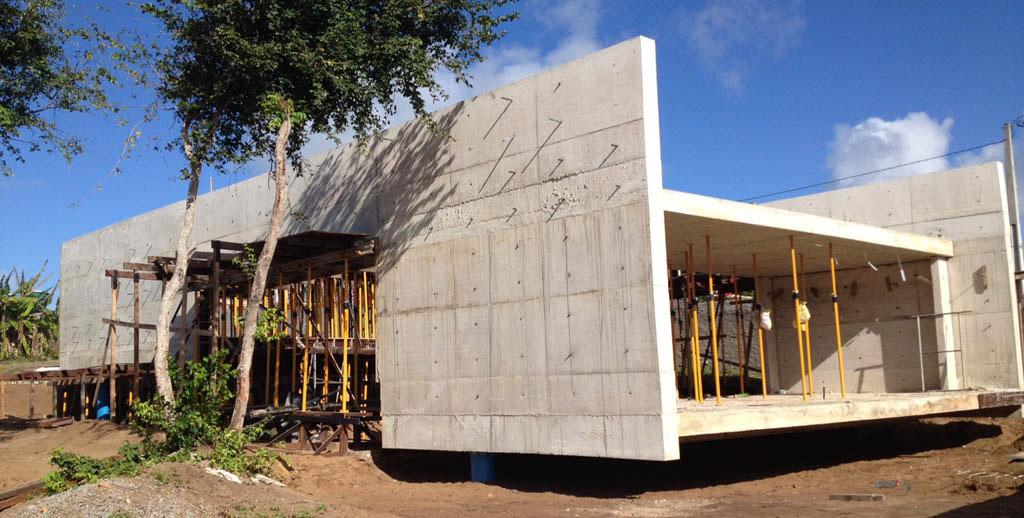
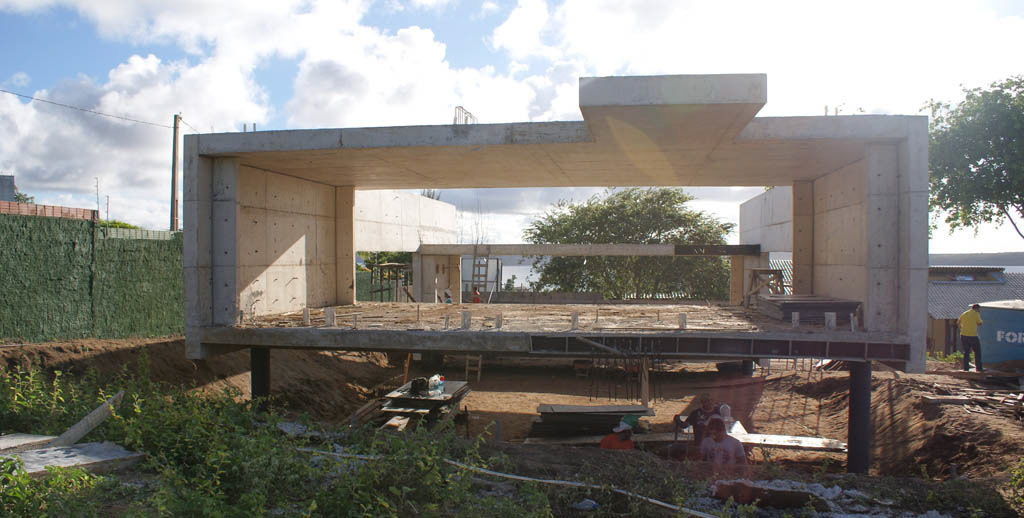
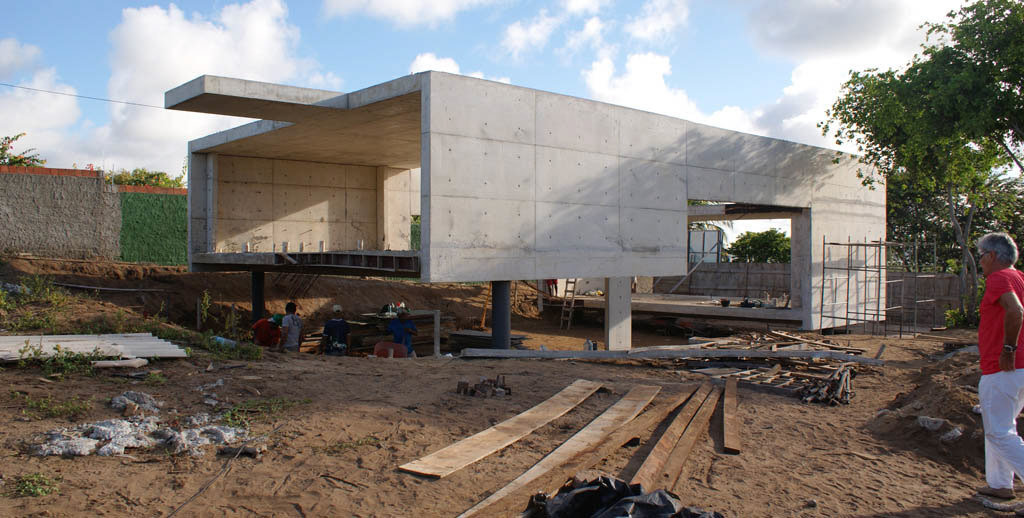
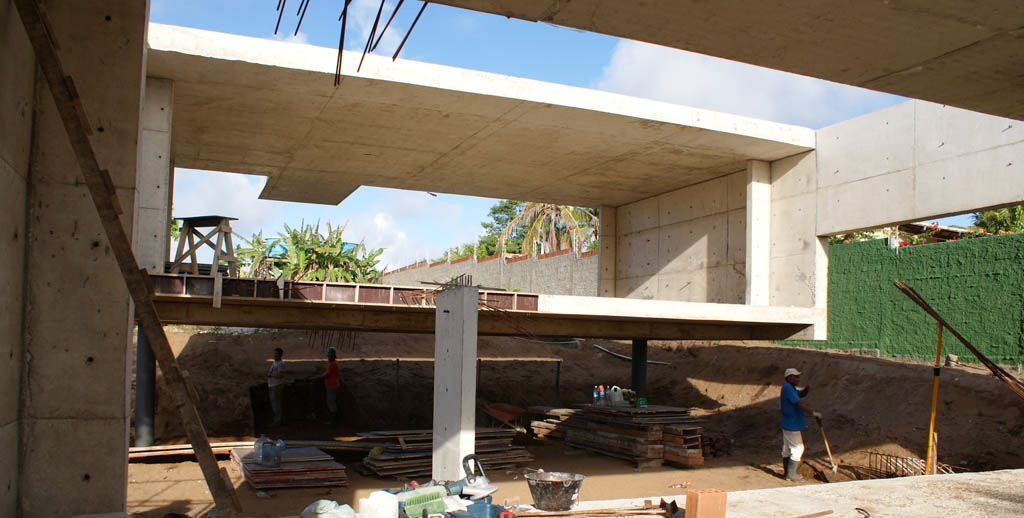
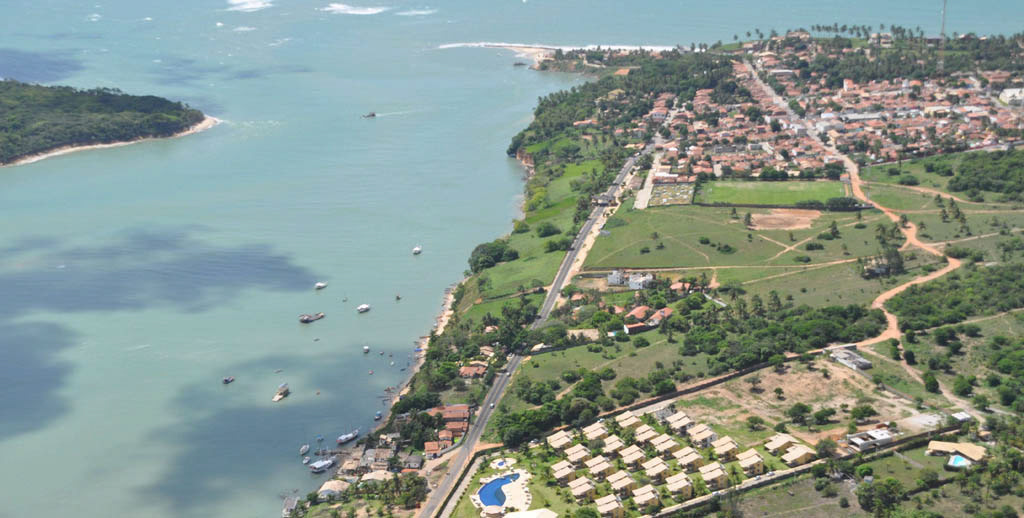
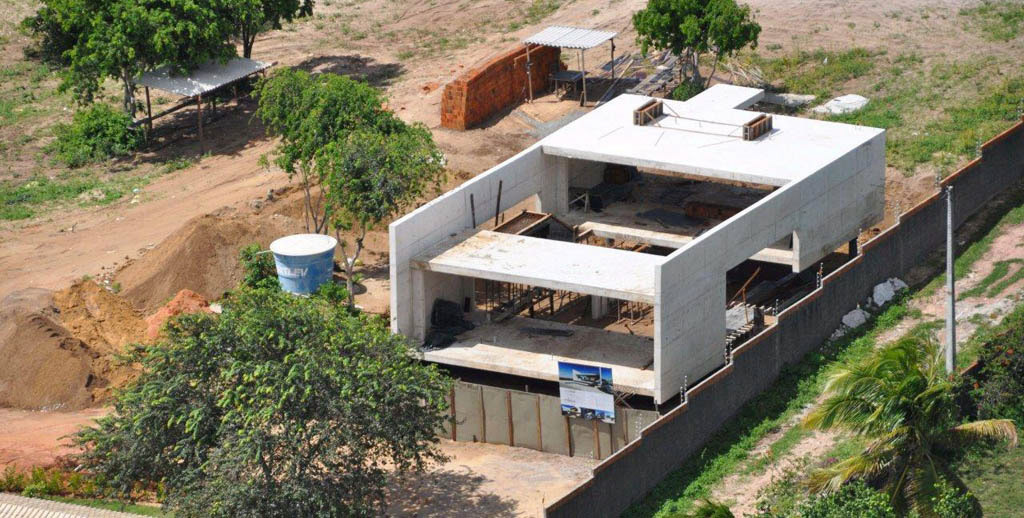
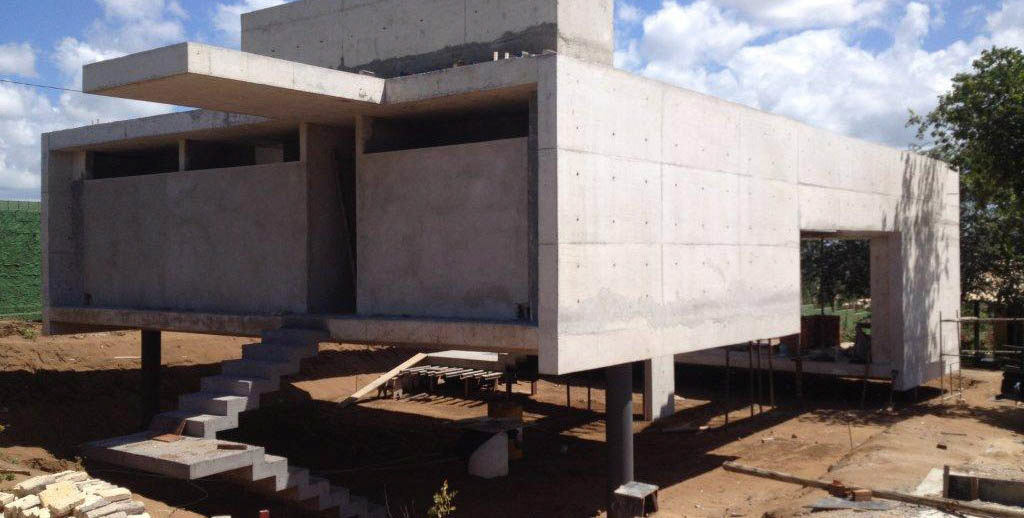
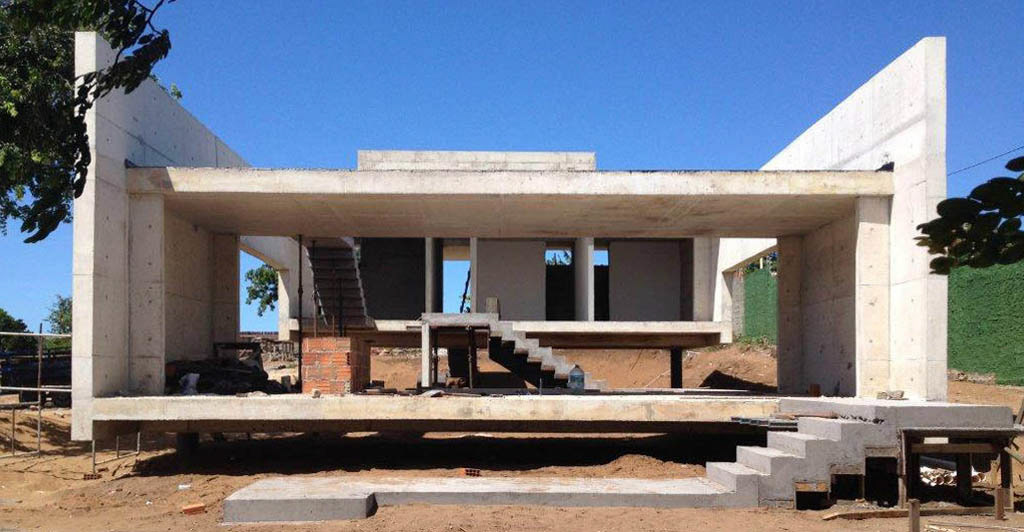
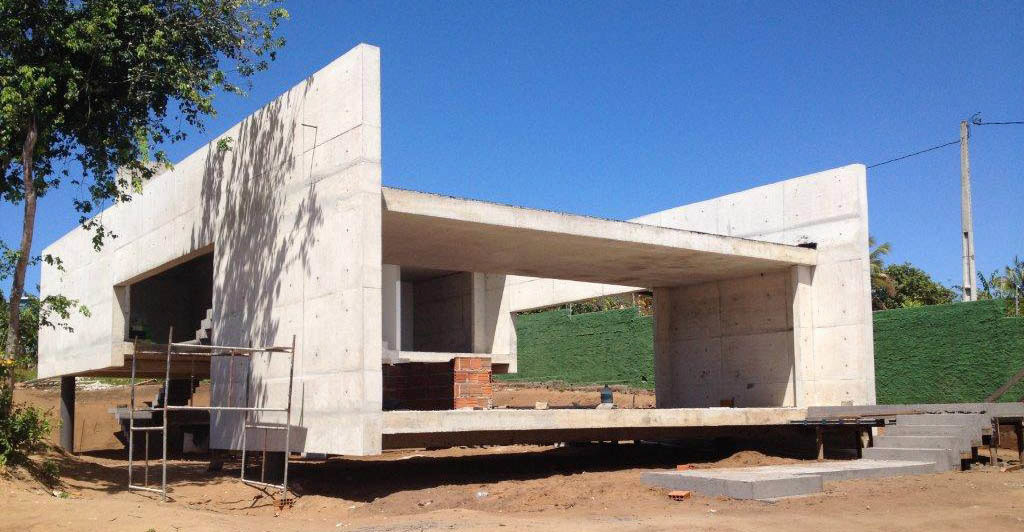
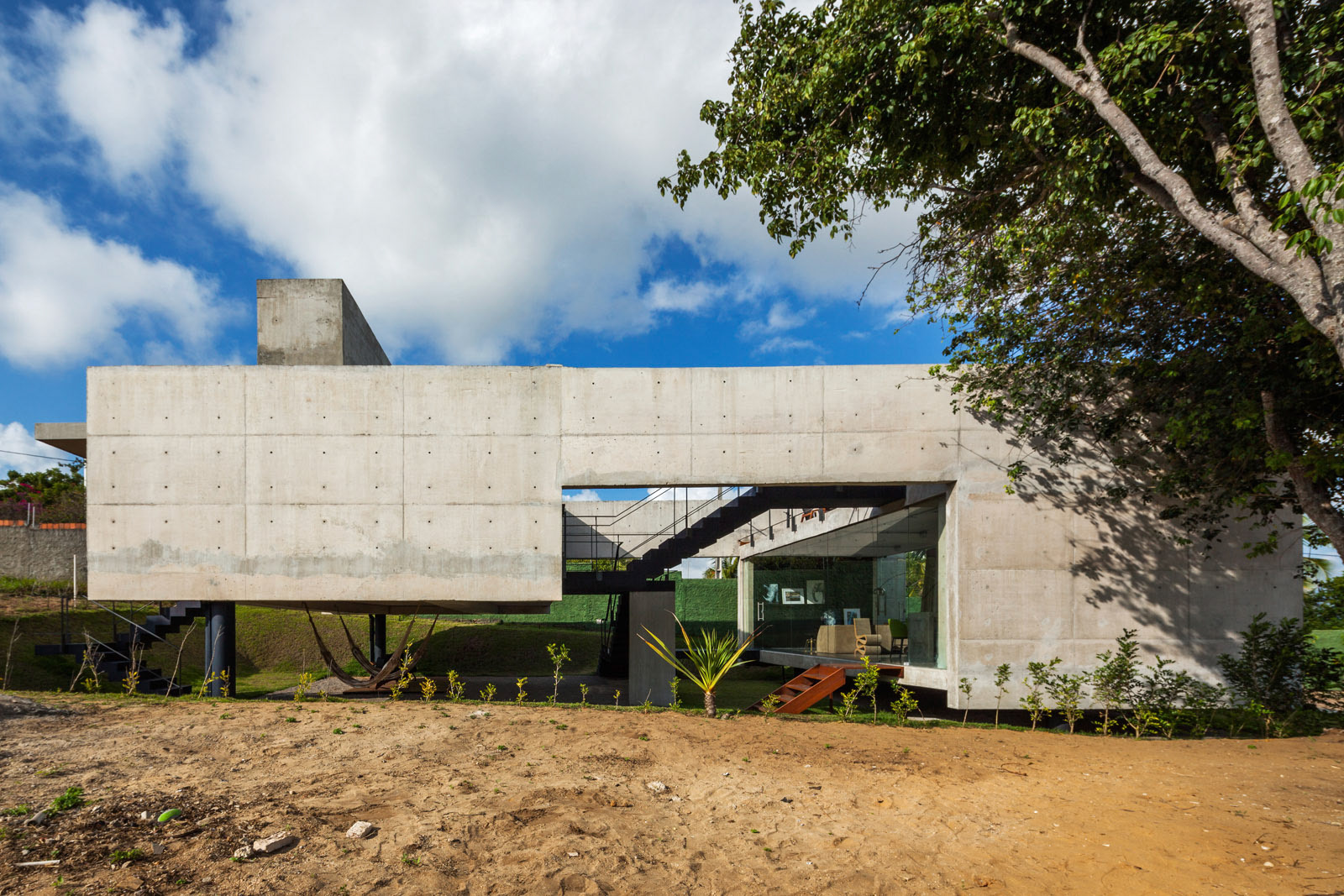
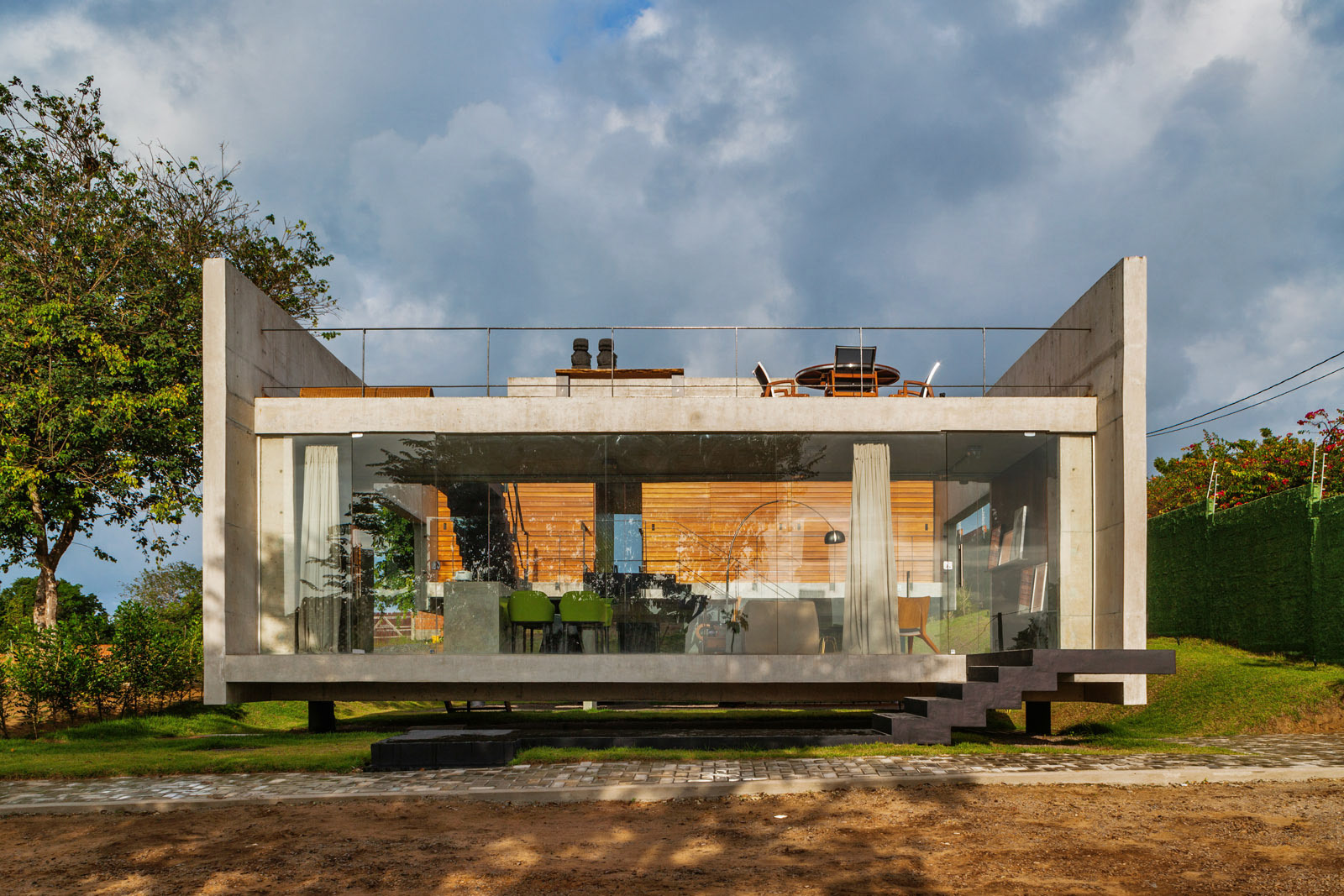
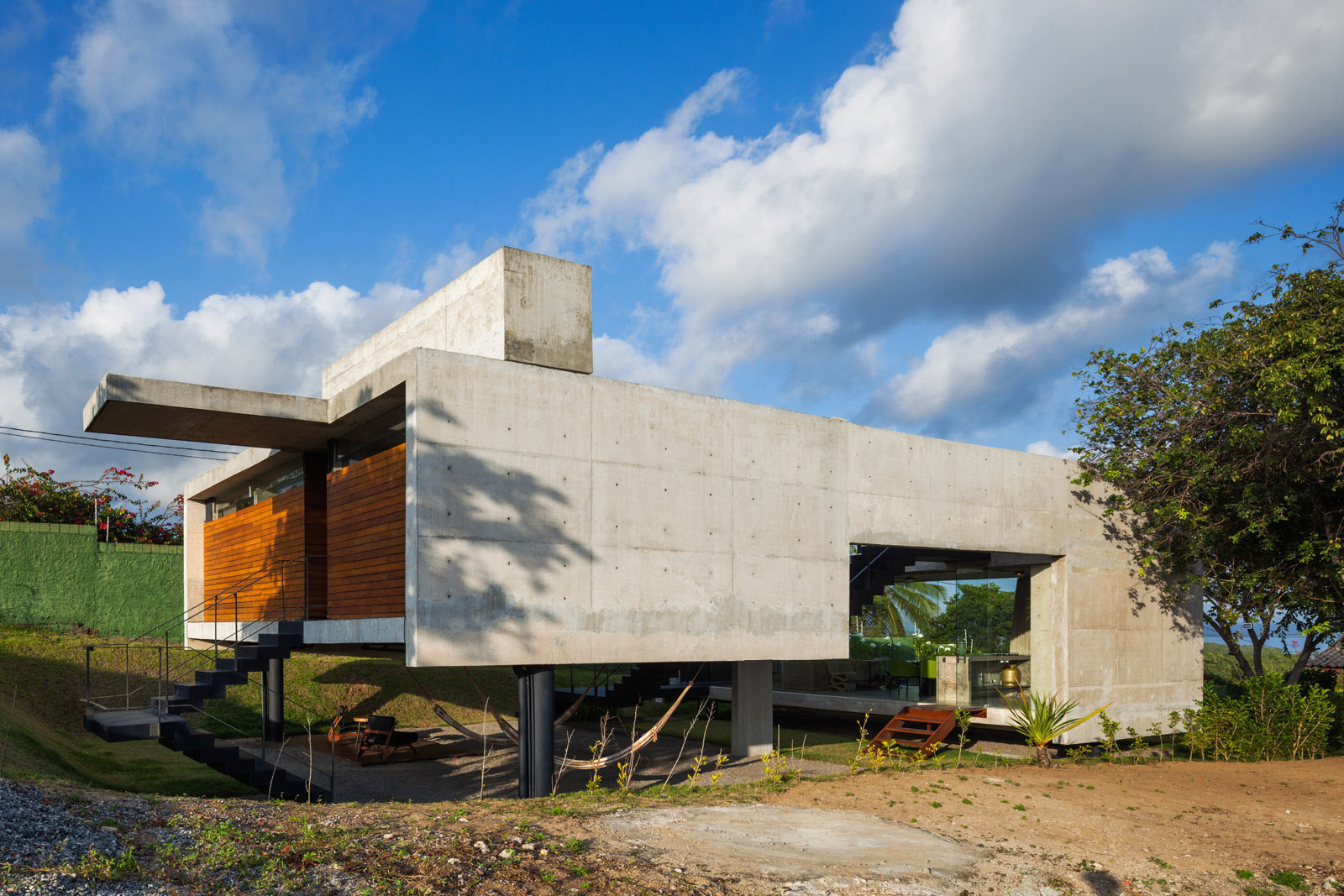
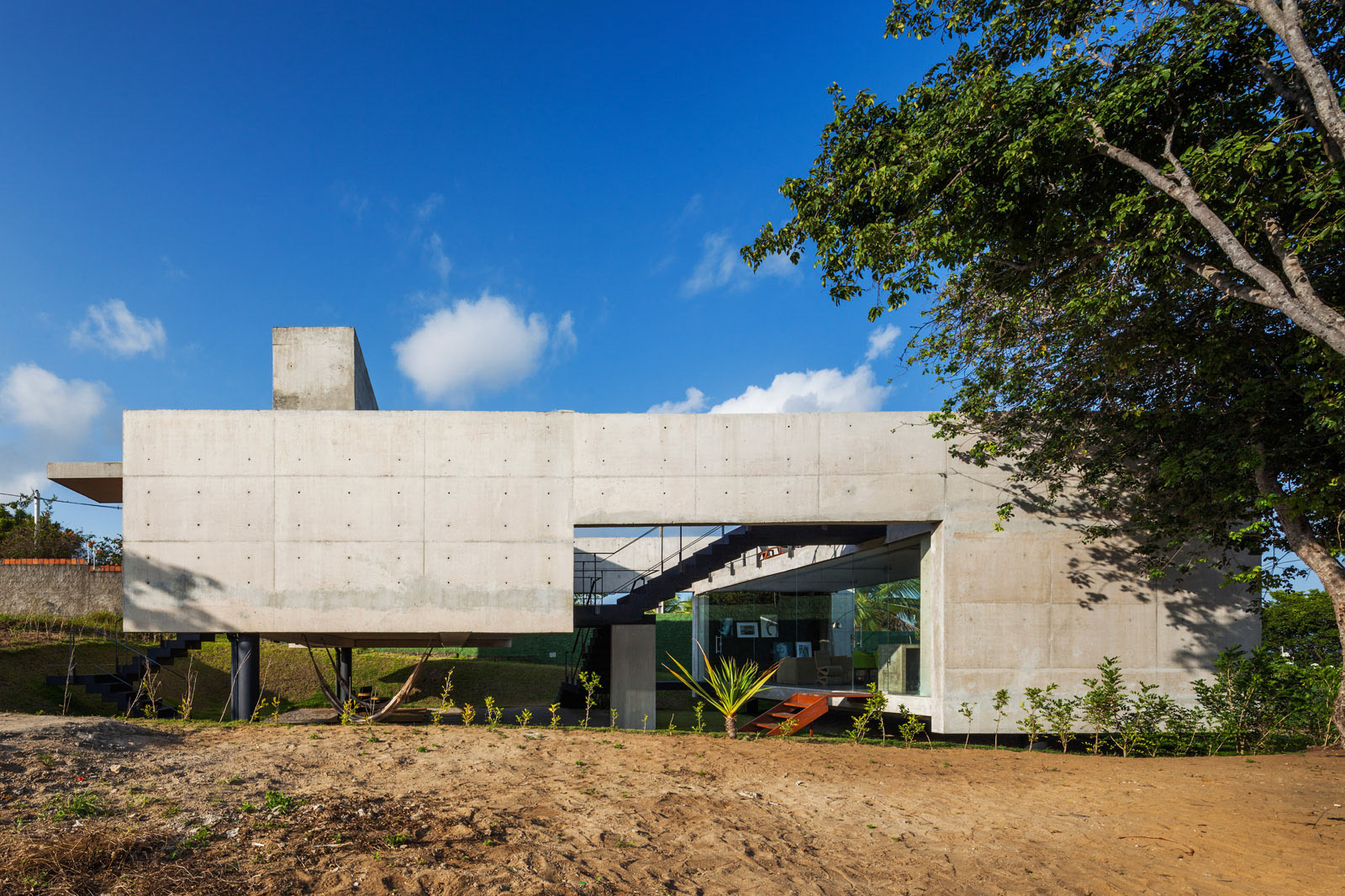
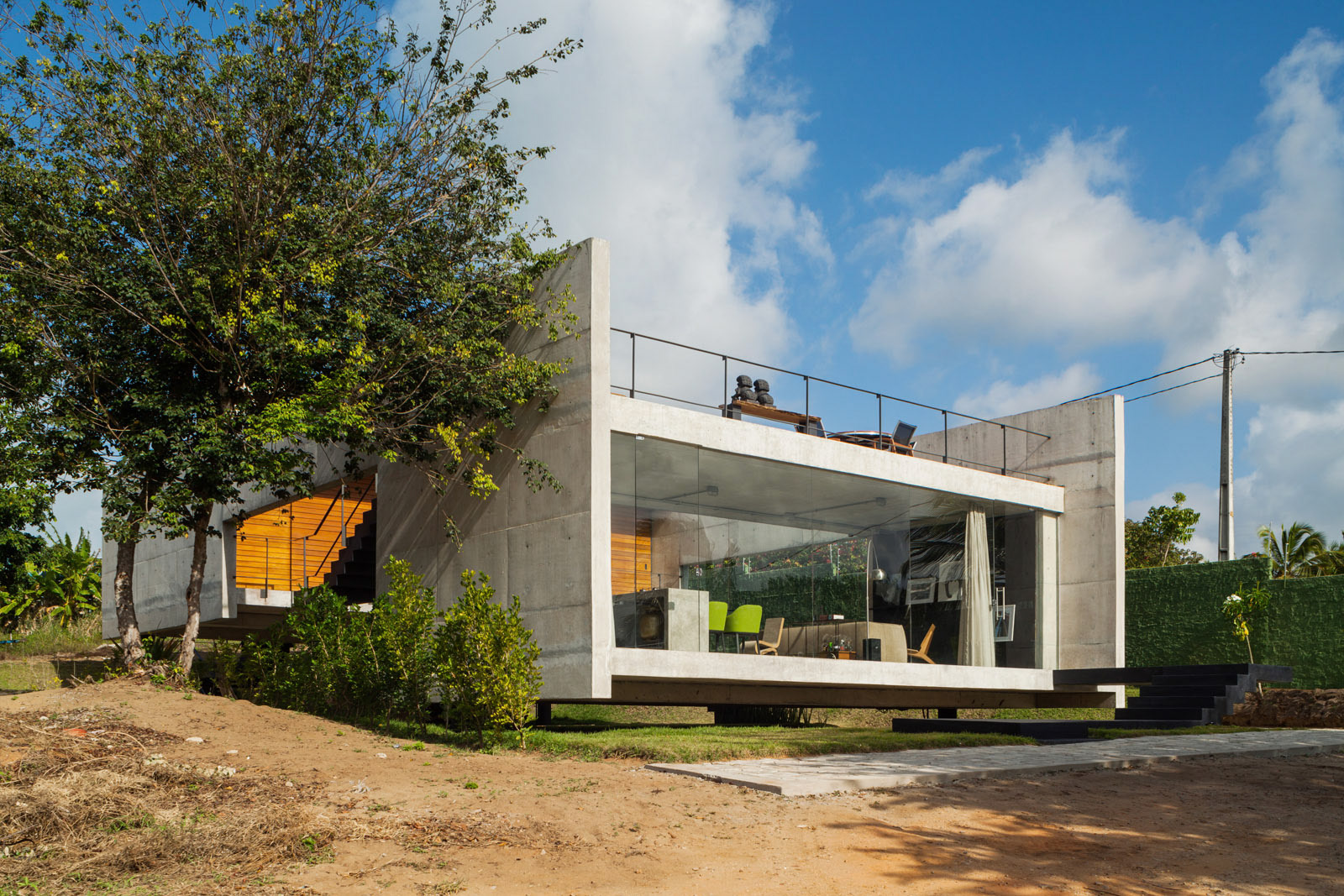
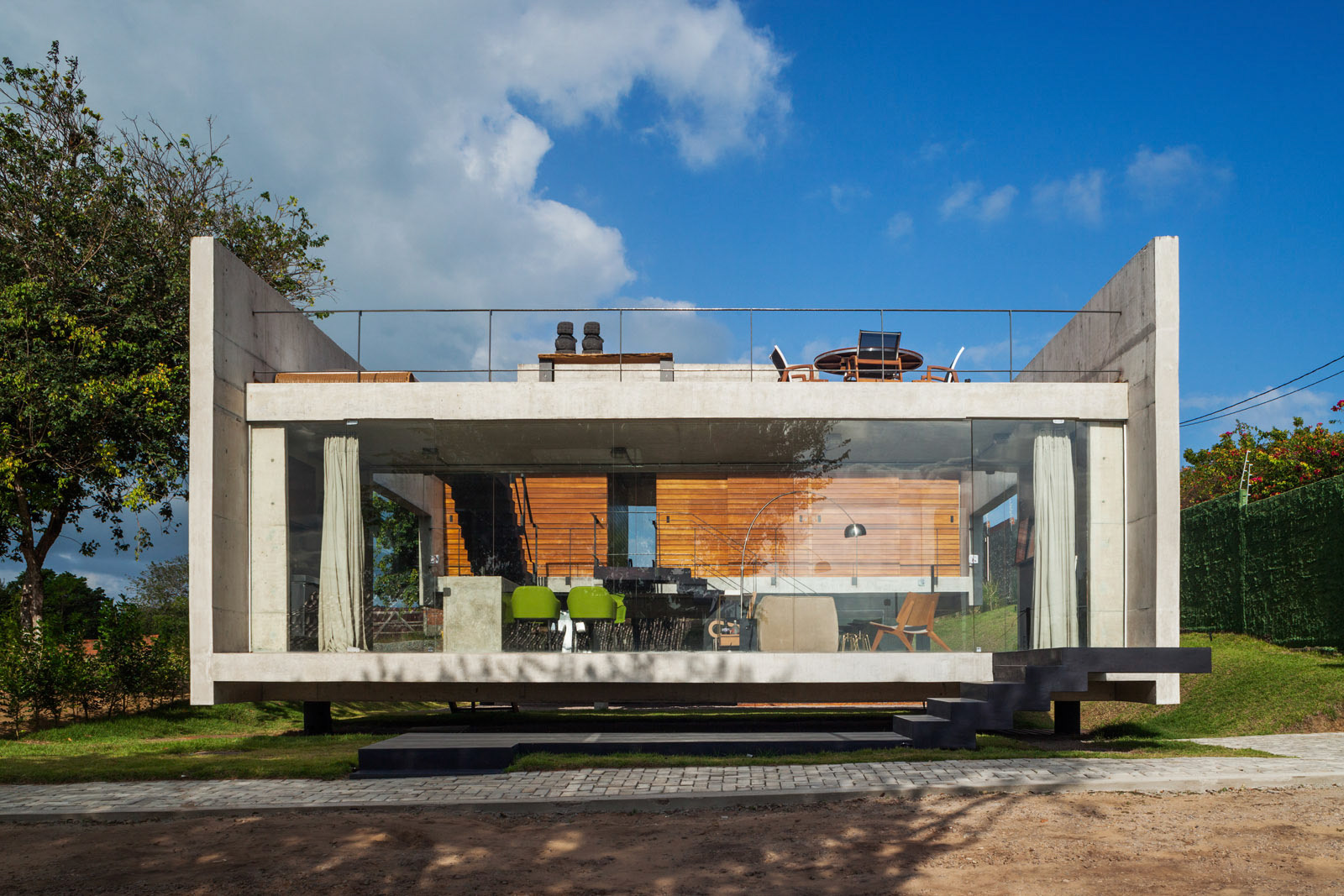
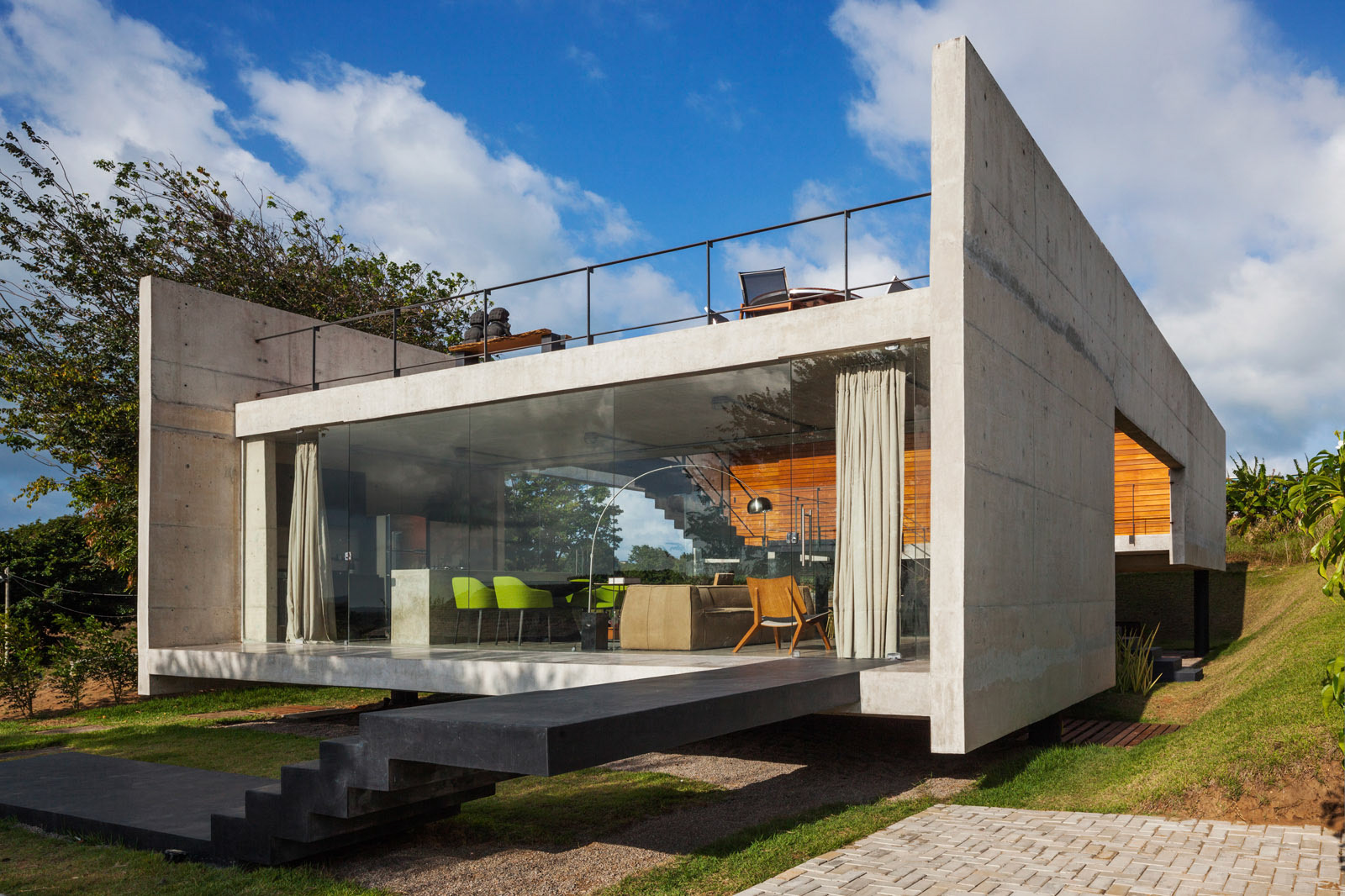
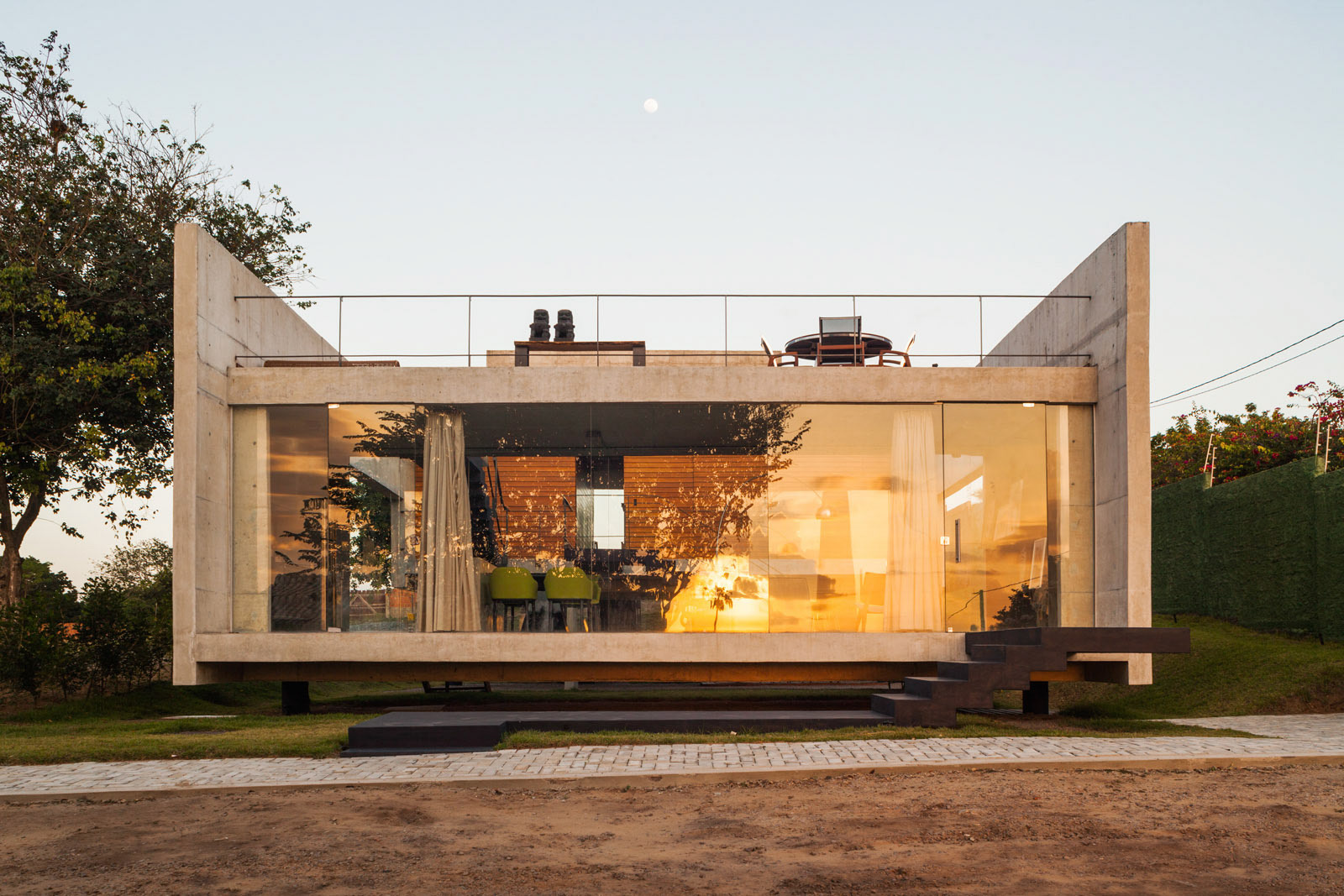
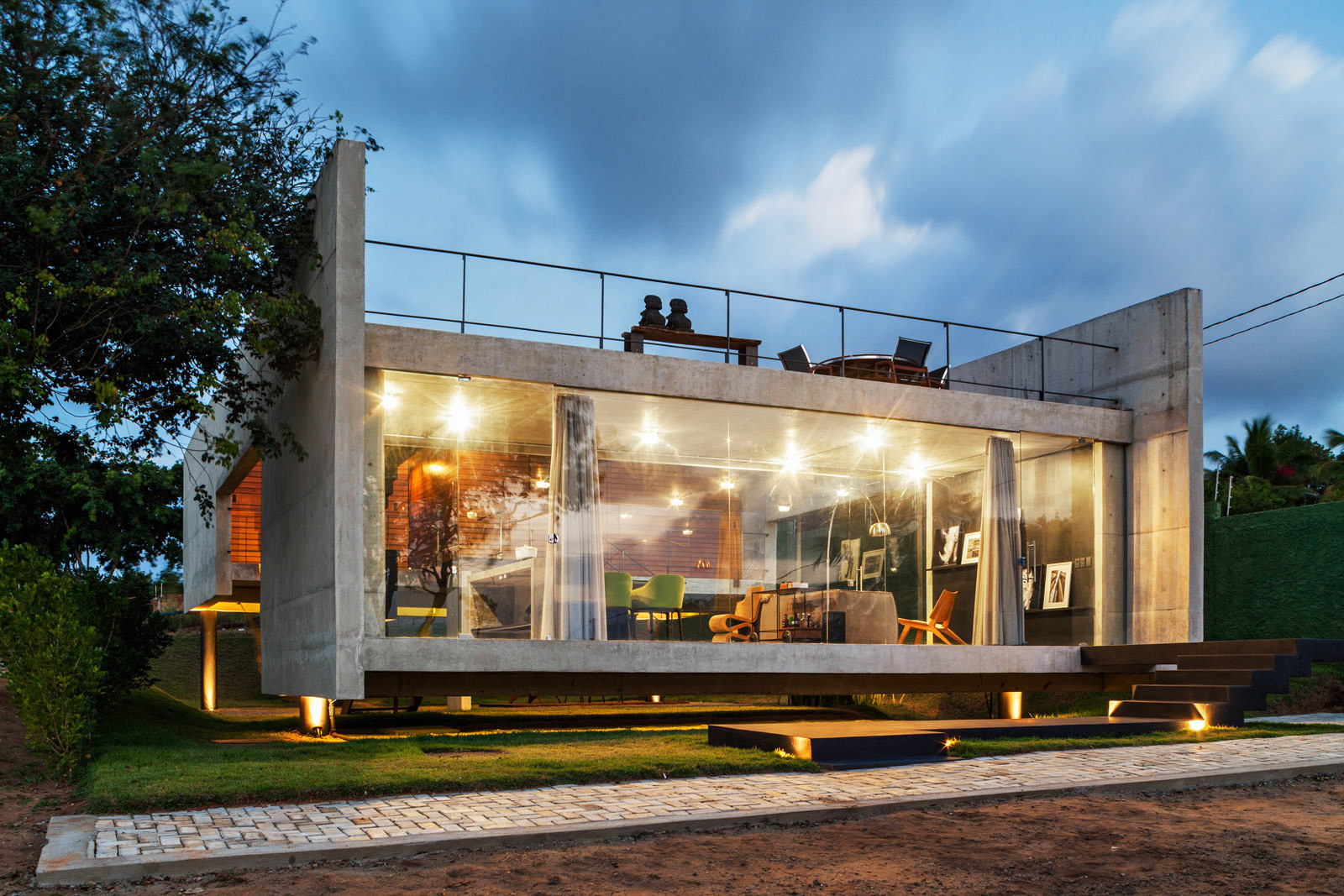
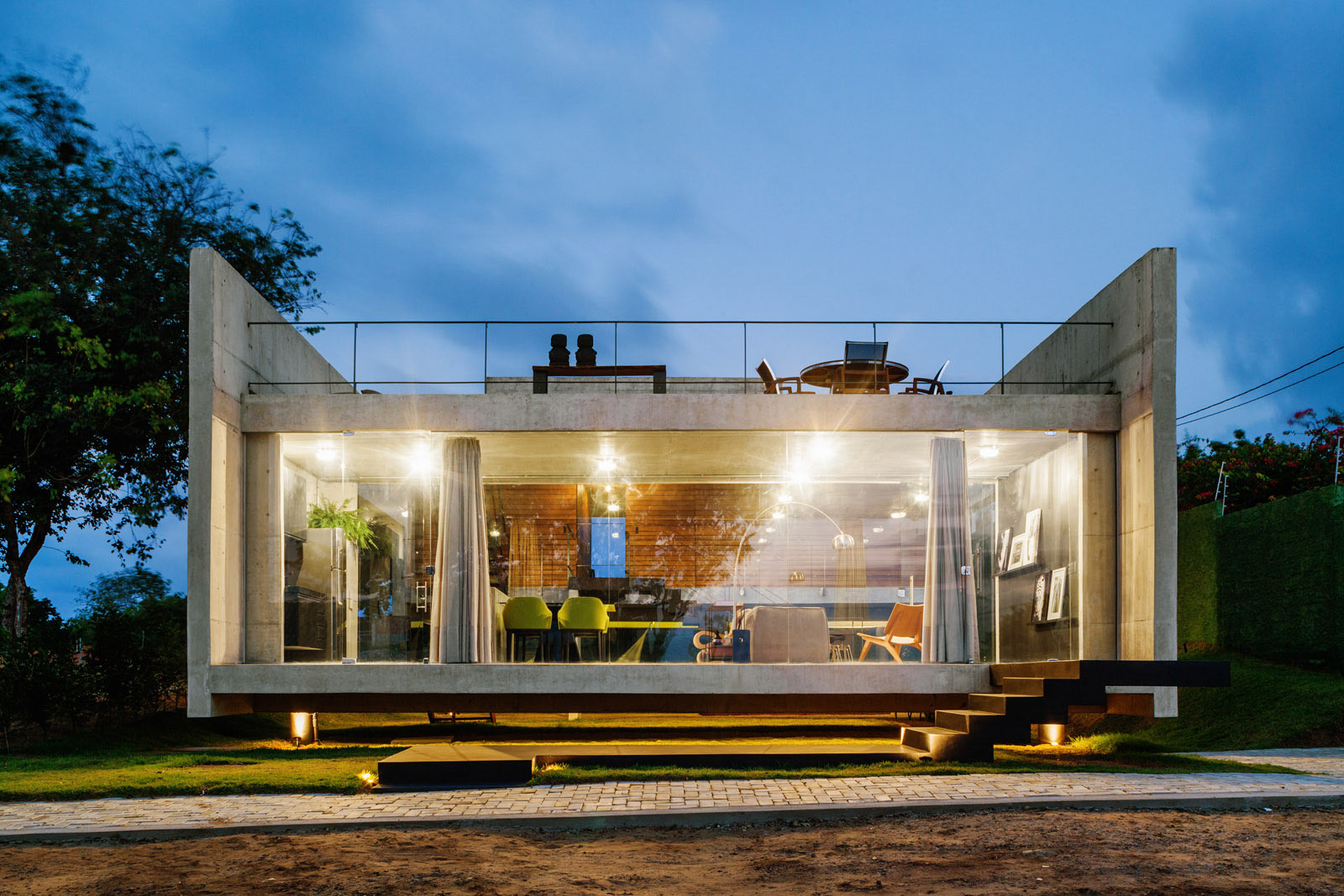
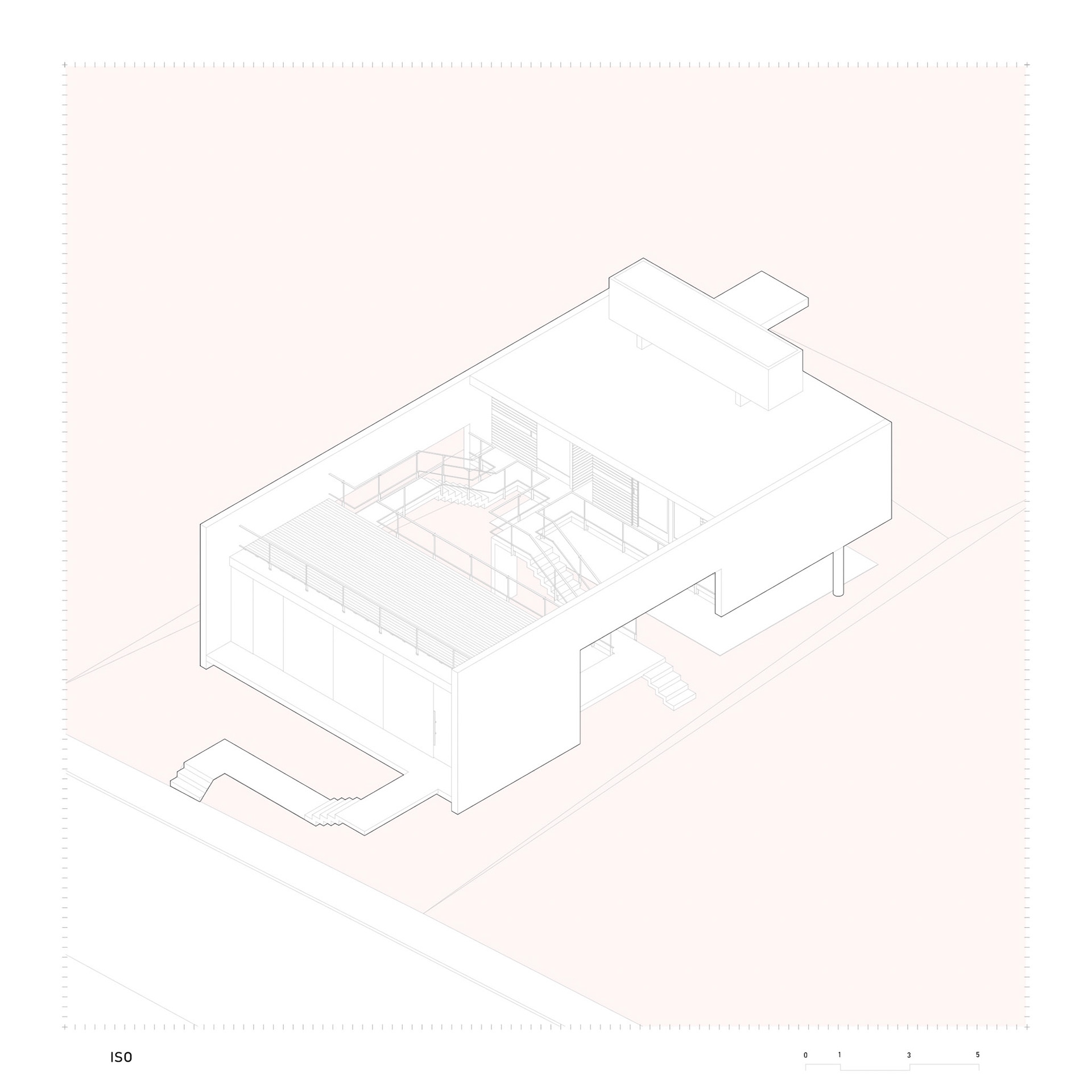
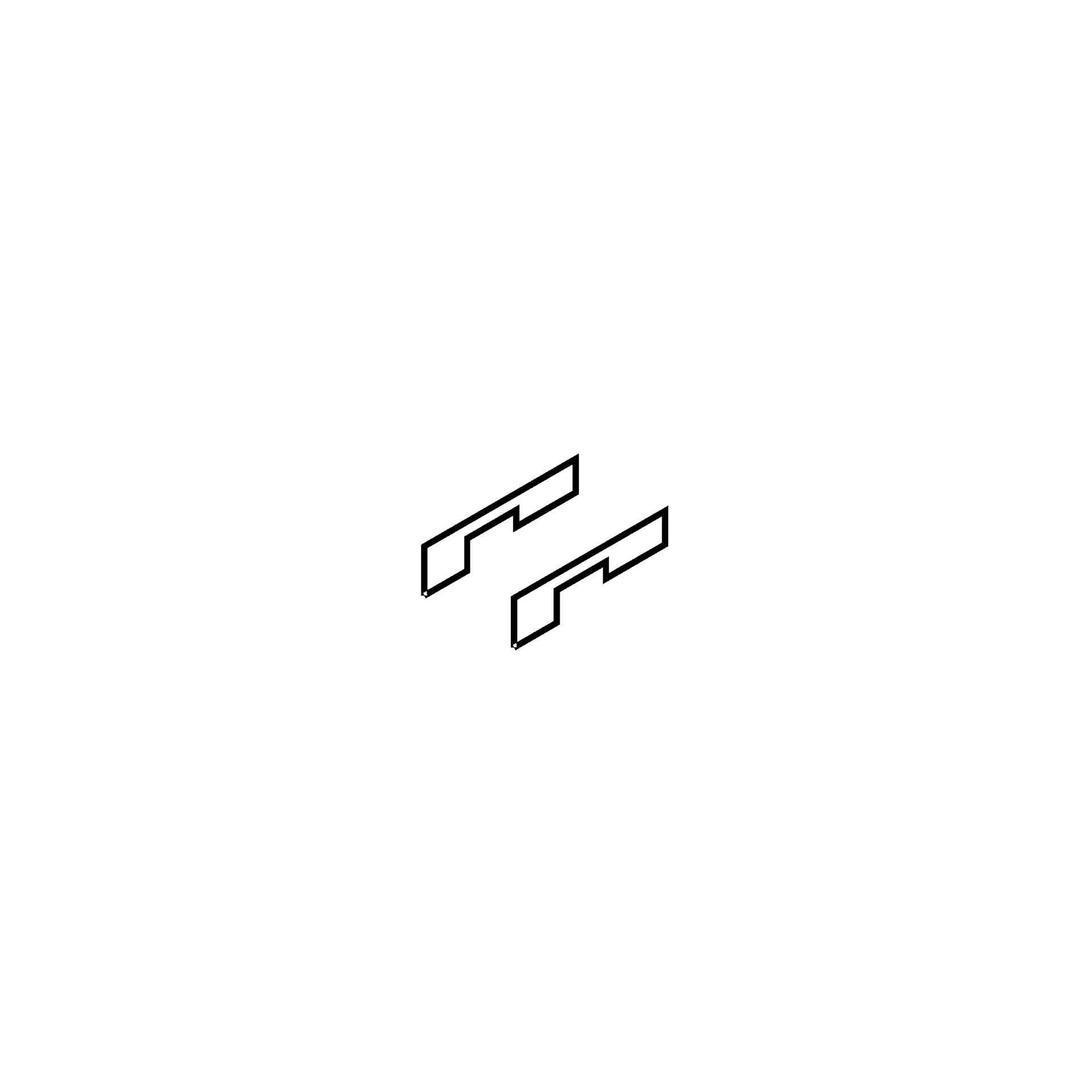
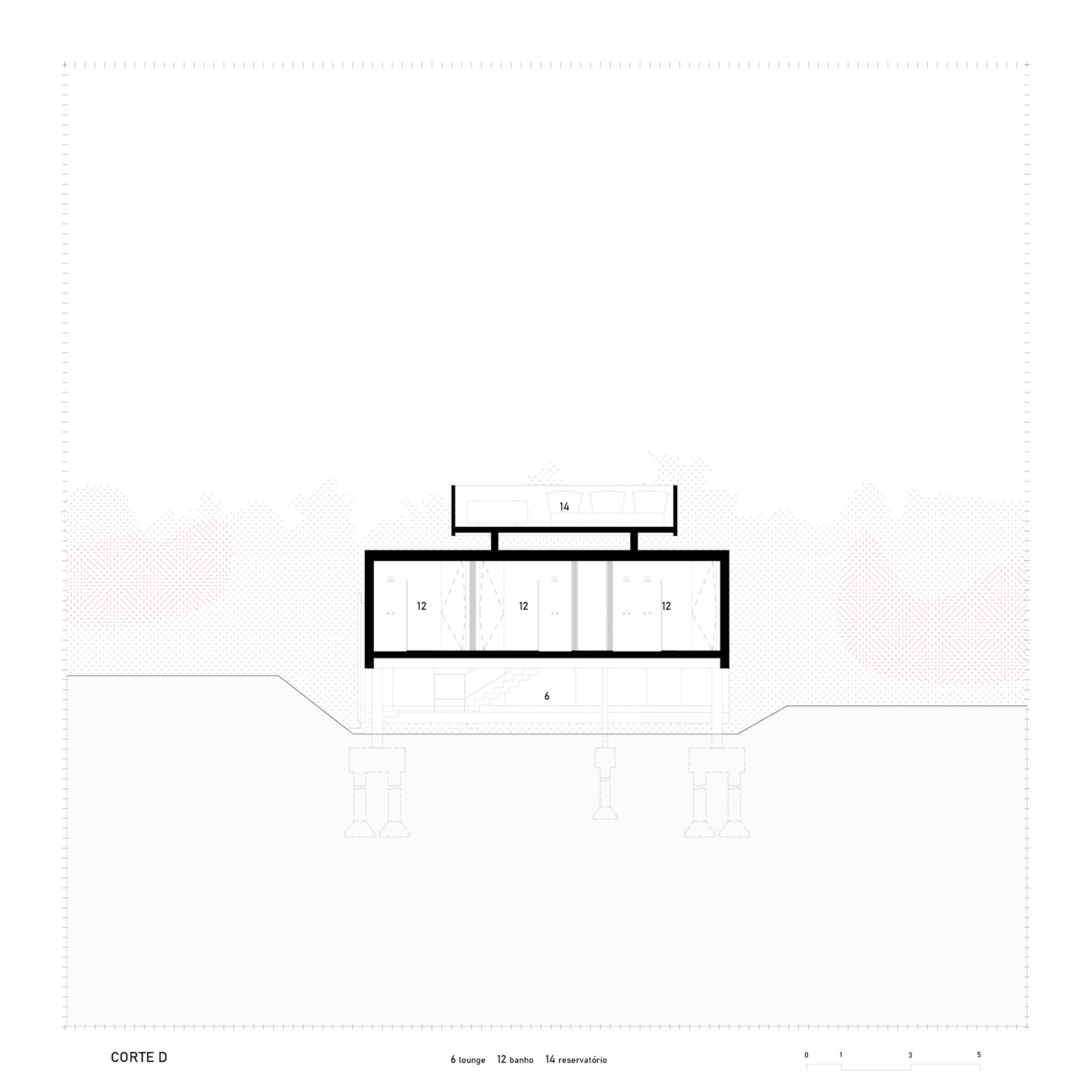
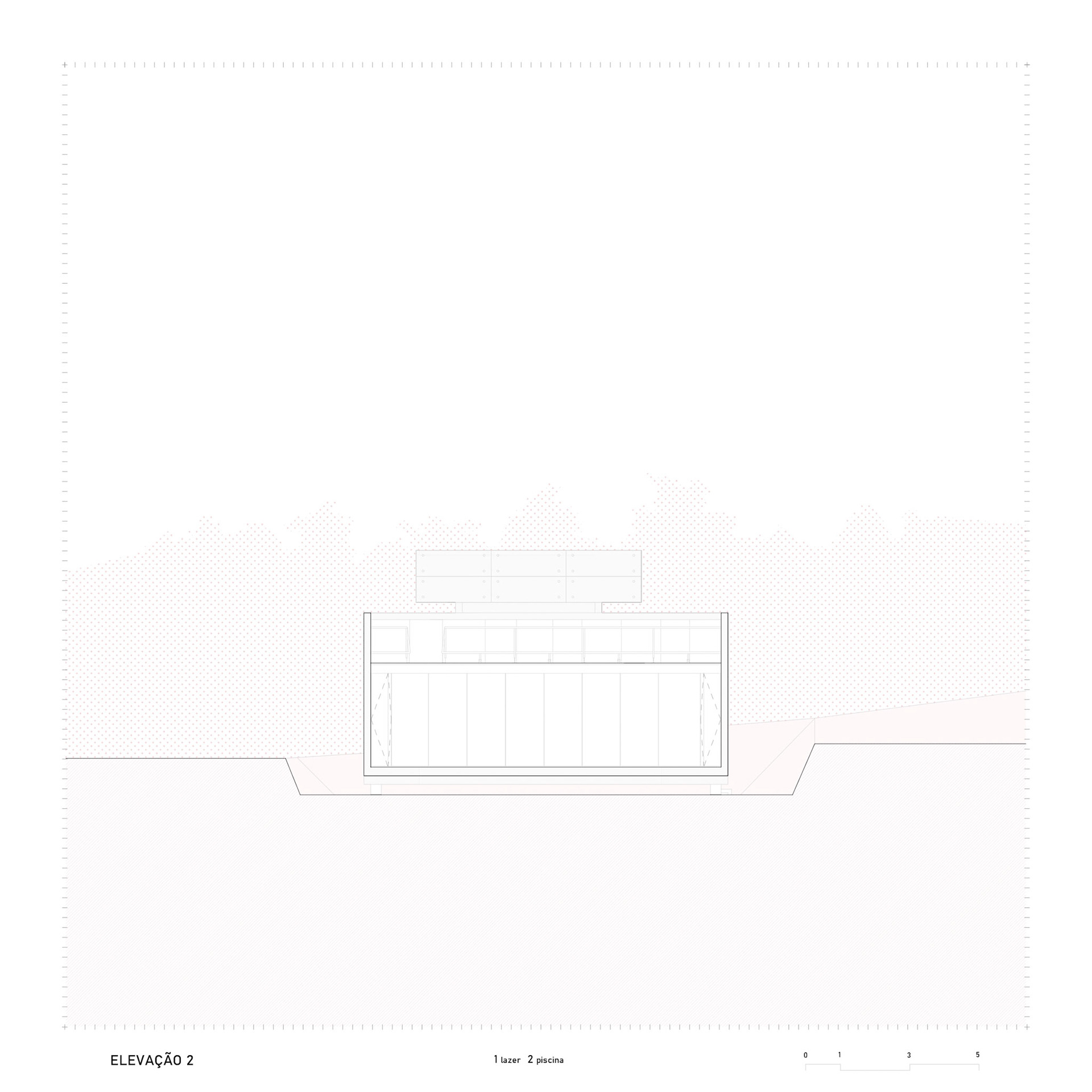
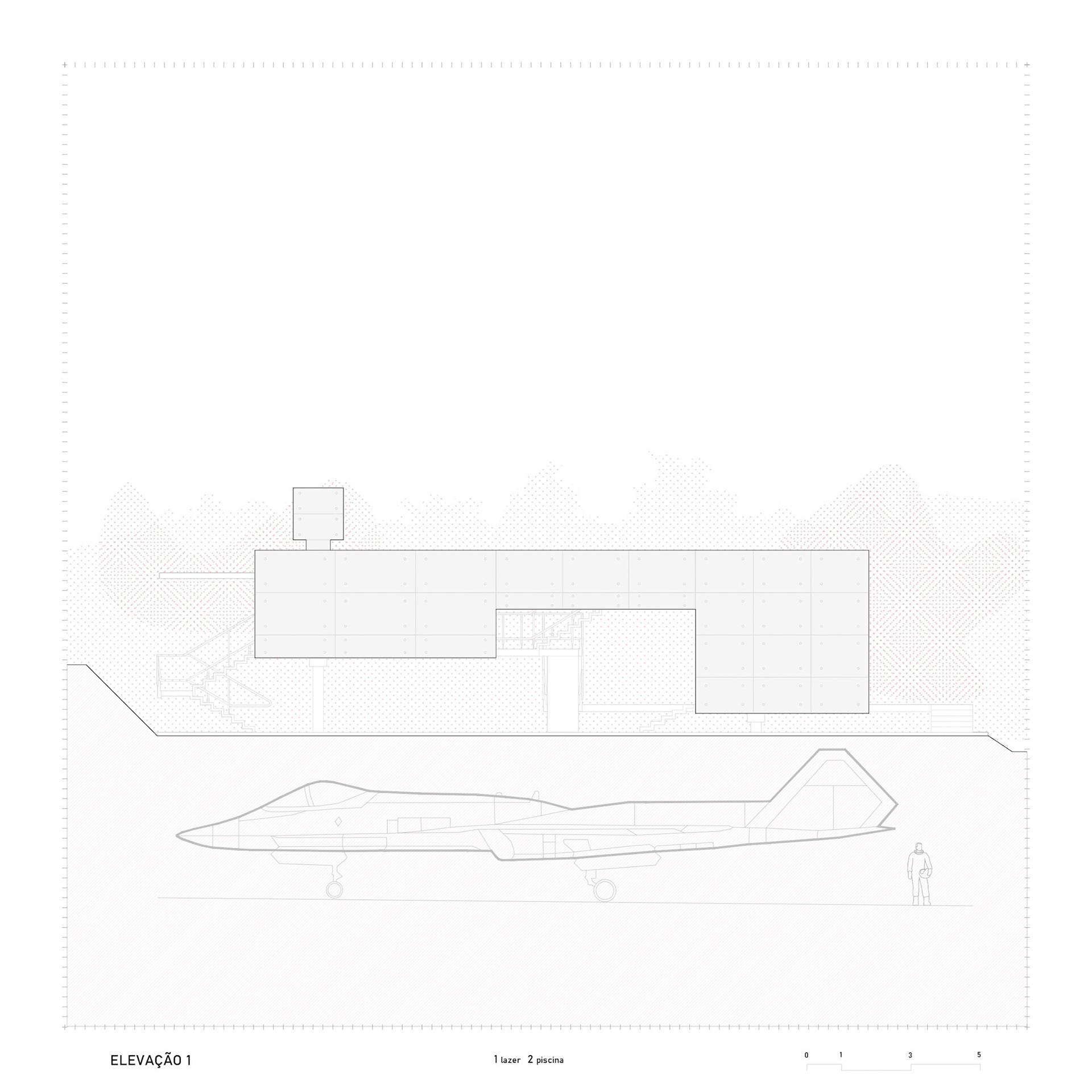
Entre o mar, lagoa e a encosta, a Casa das Duas Vigas se apoia sobre o terreno como quem pousa. A arquitetura nasce da precisão de um gesto simples: duas vigas, quatro pilares, e o espaço que disso decorre. A estrutura, reduzida ao essencial, é o próprio desenho da casa. Ela não representa — constrói.
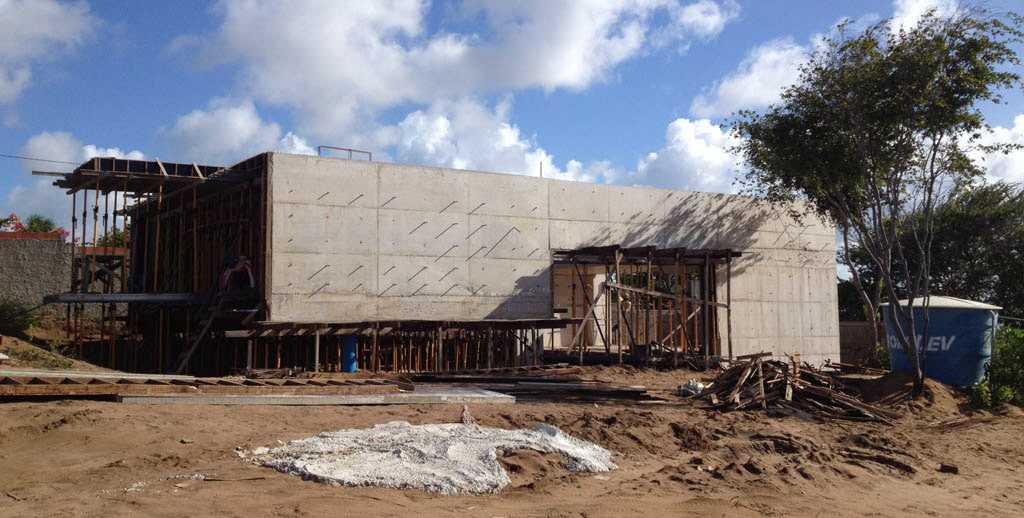
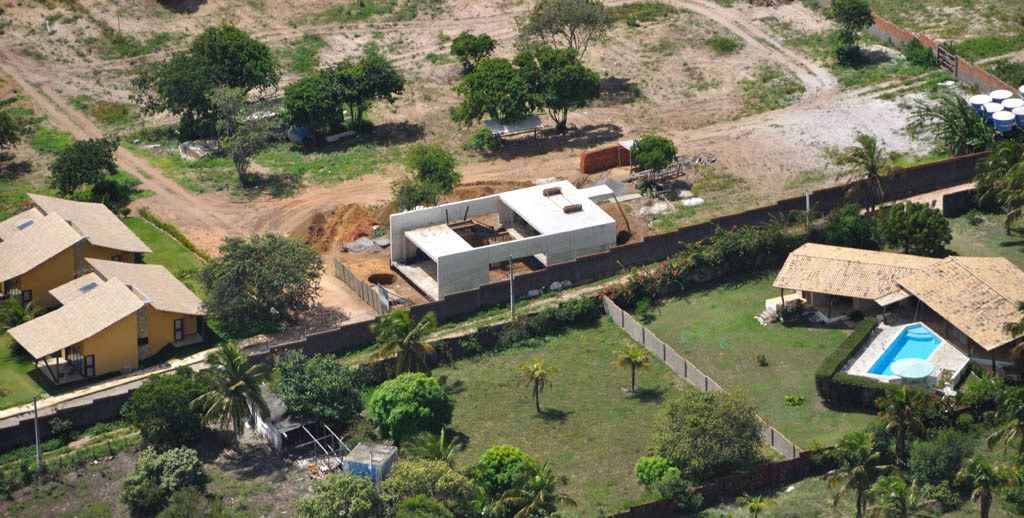
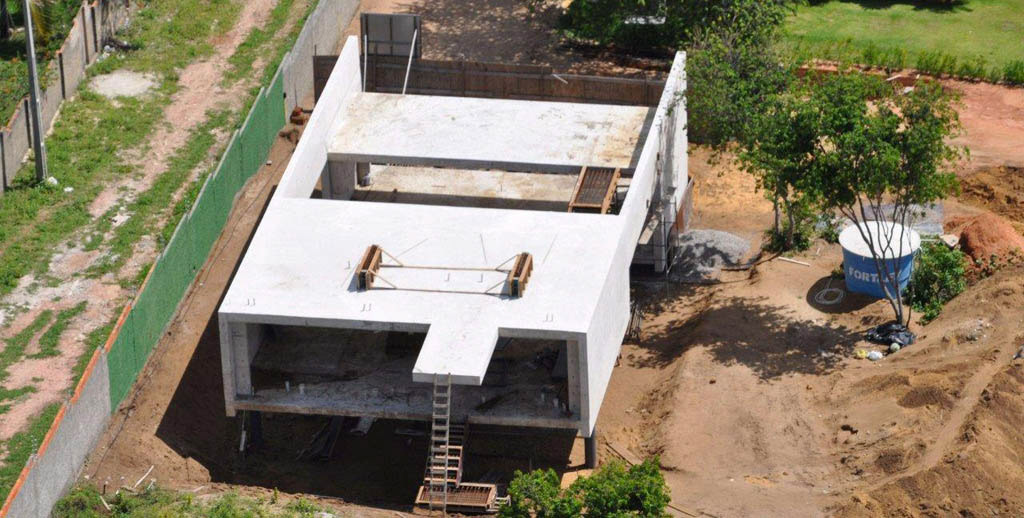
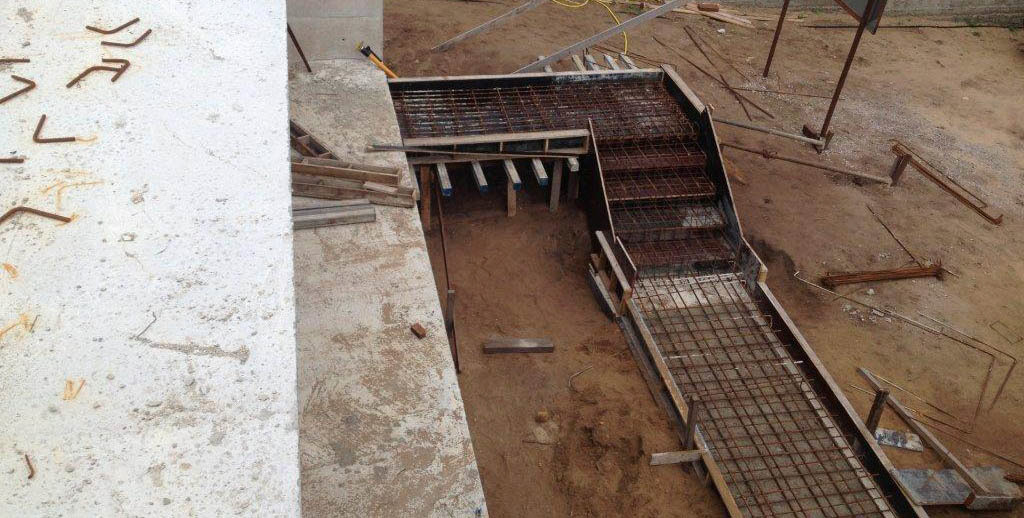
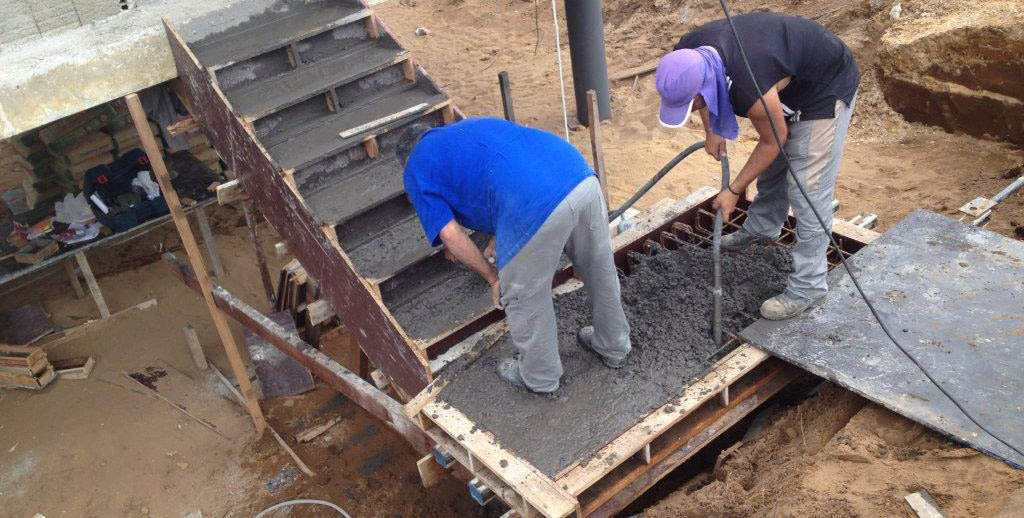
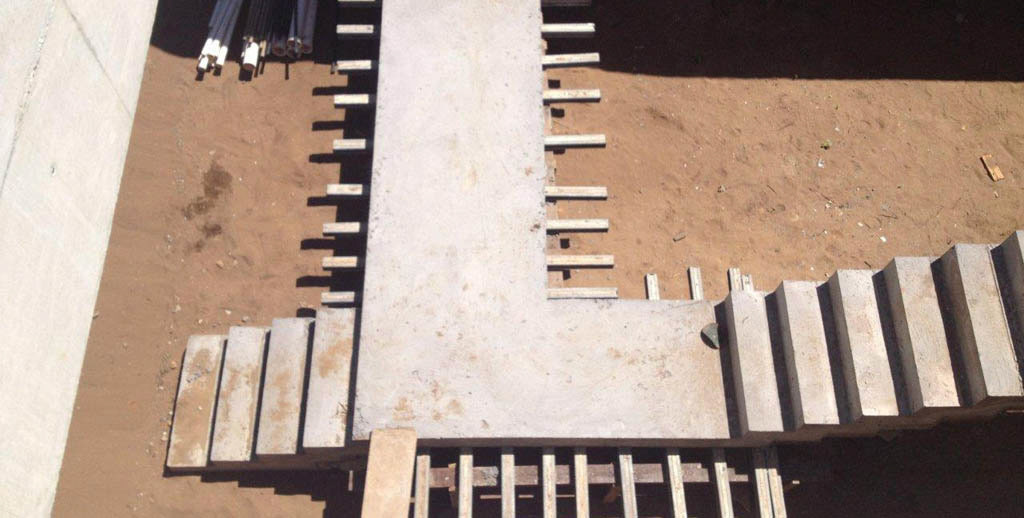
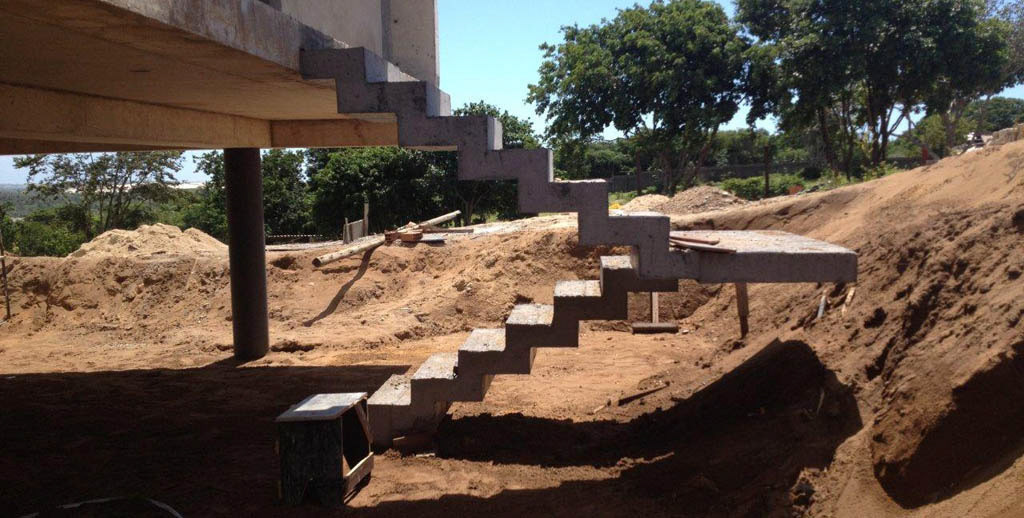
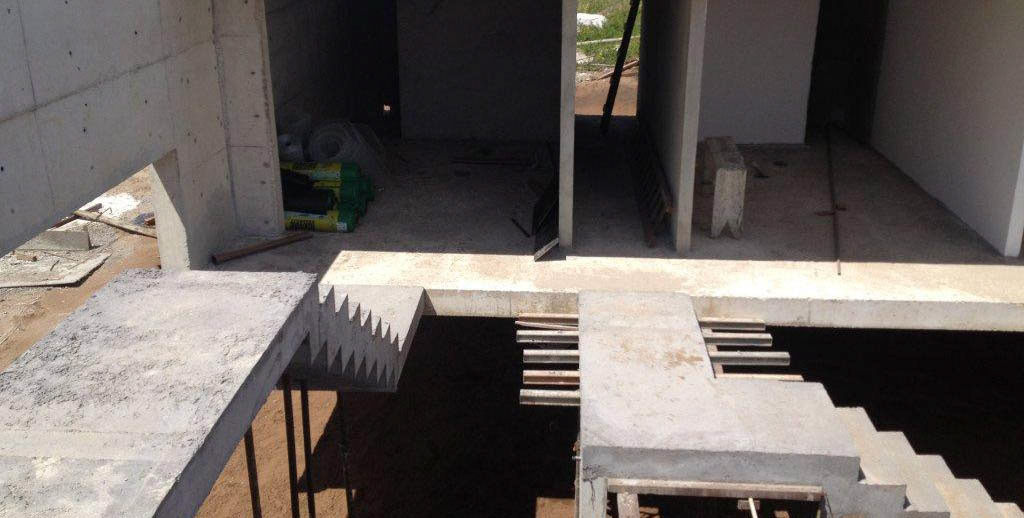
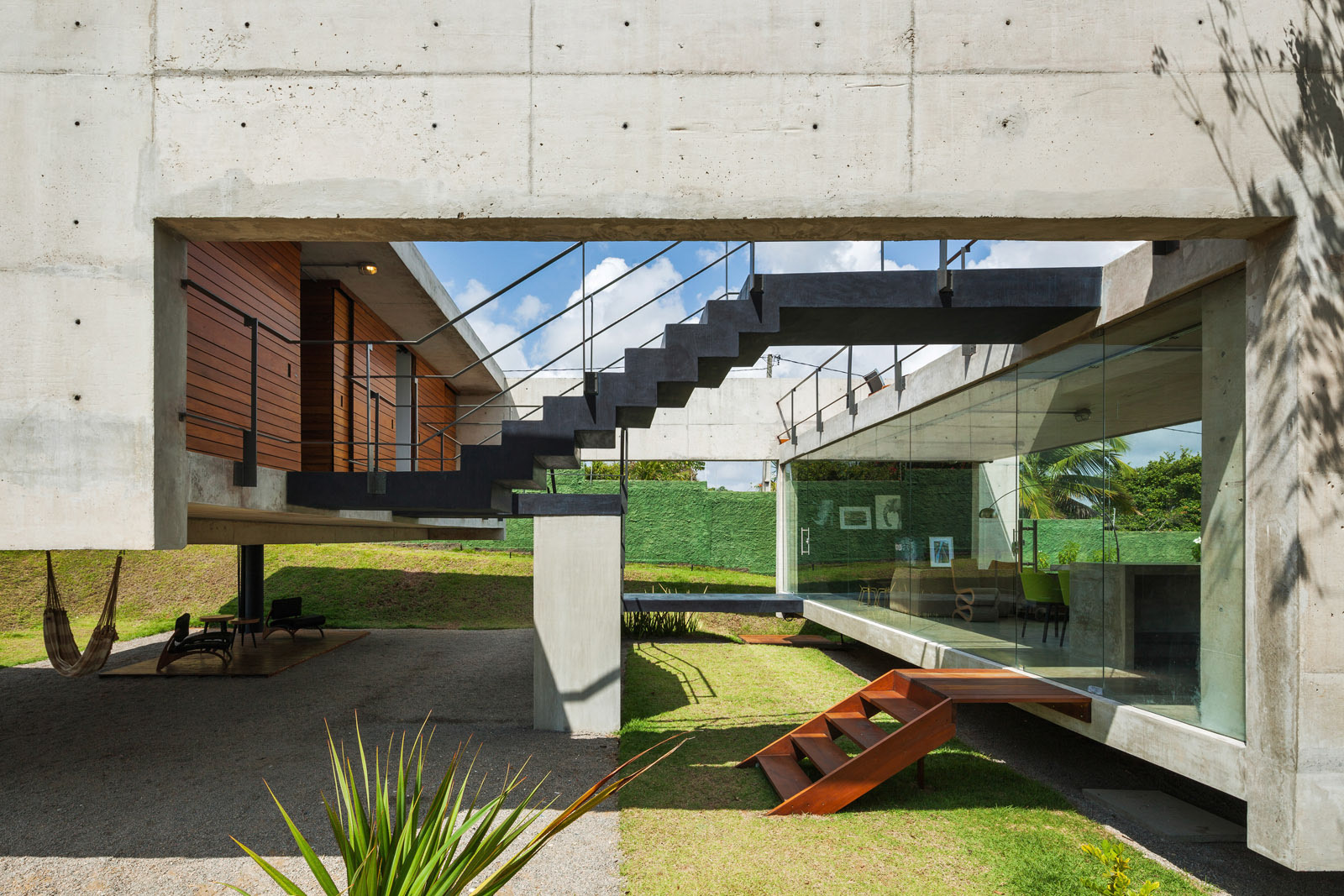
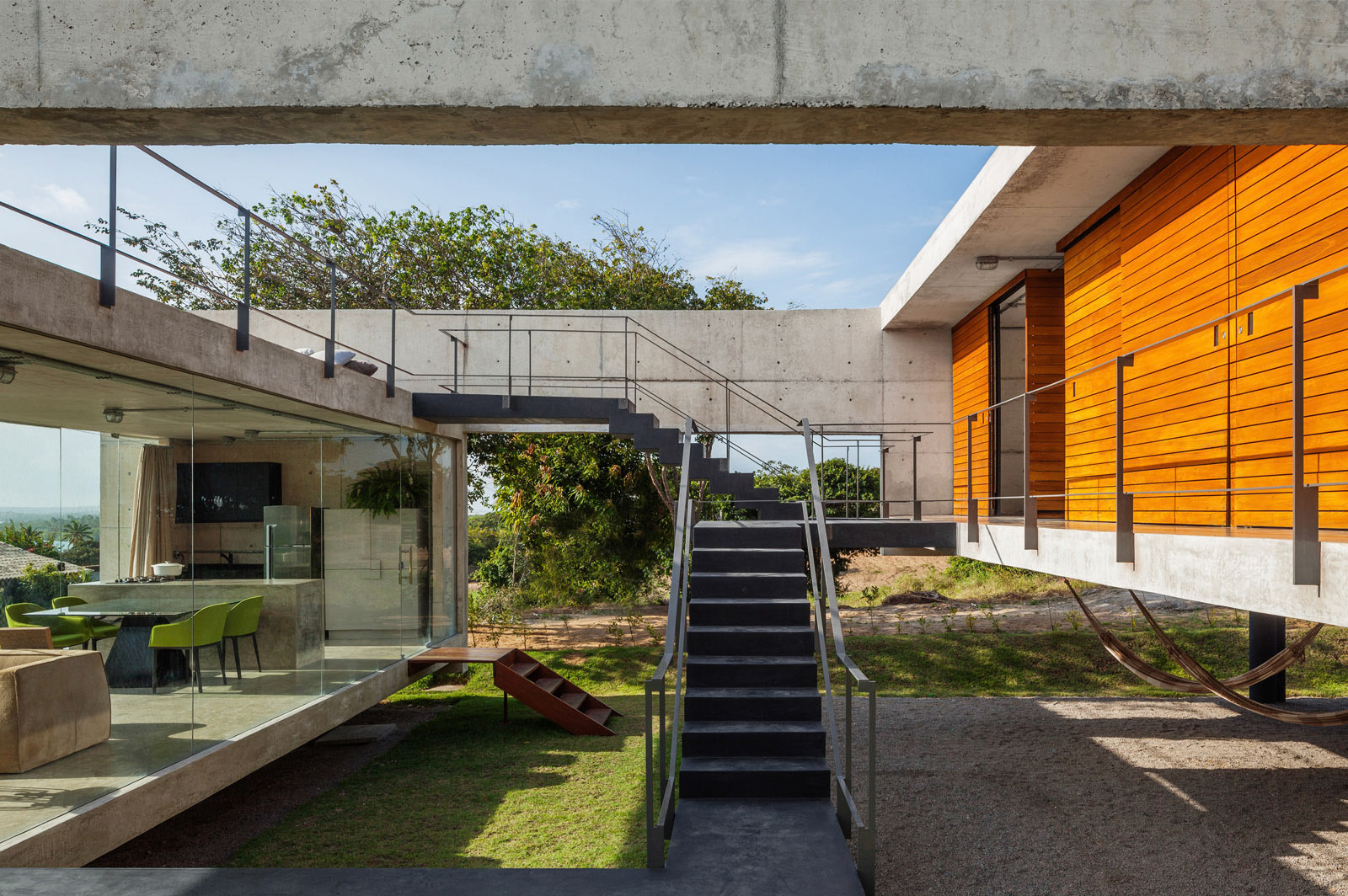
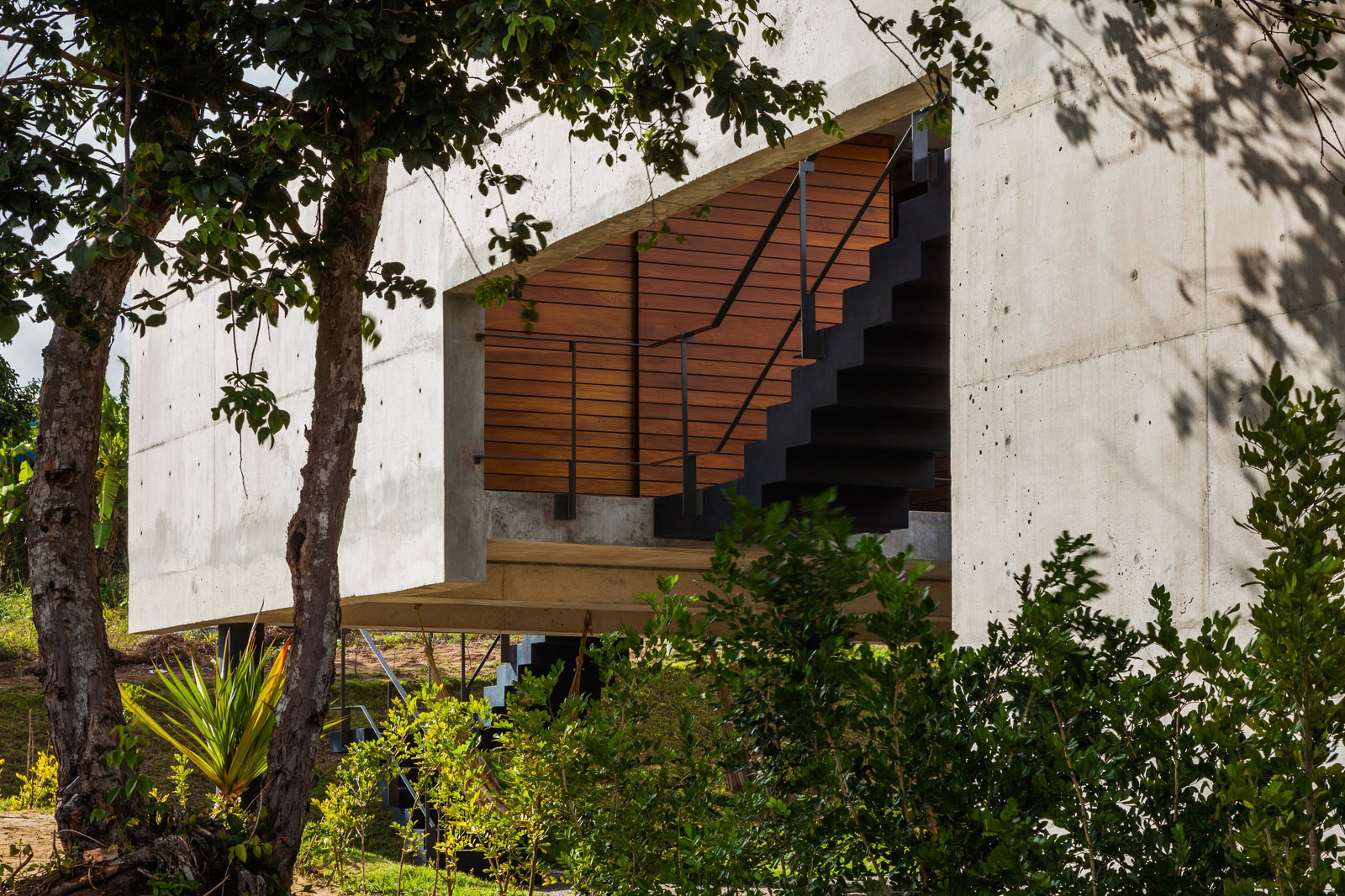
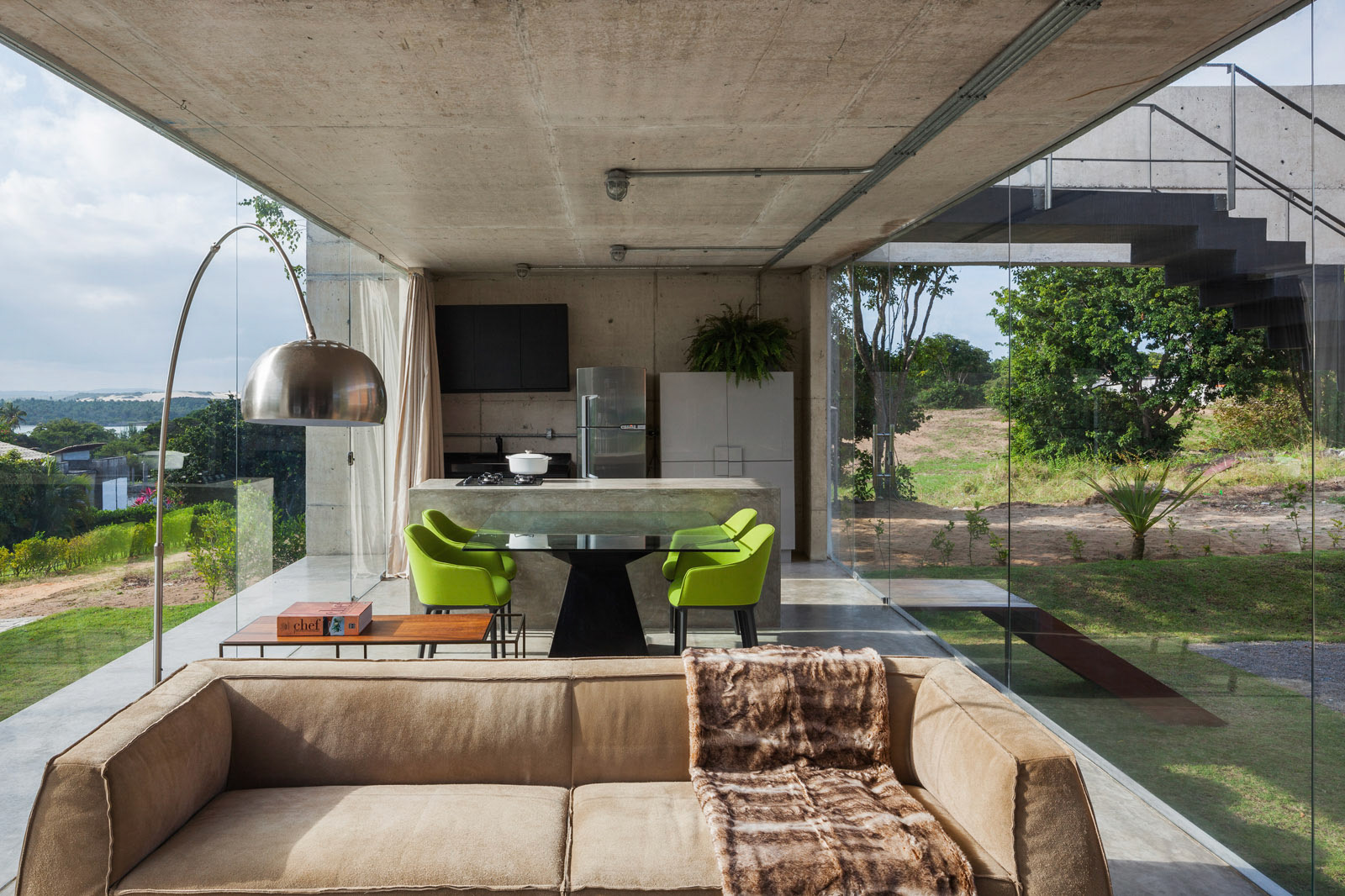
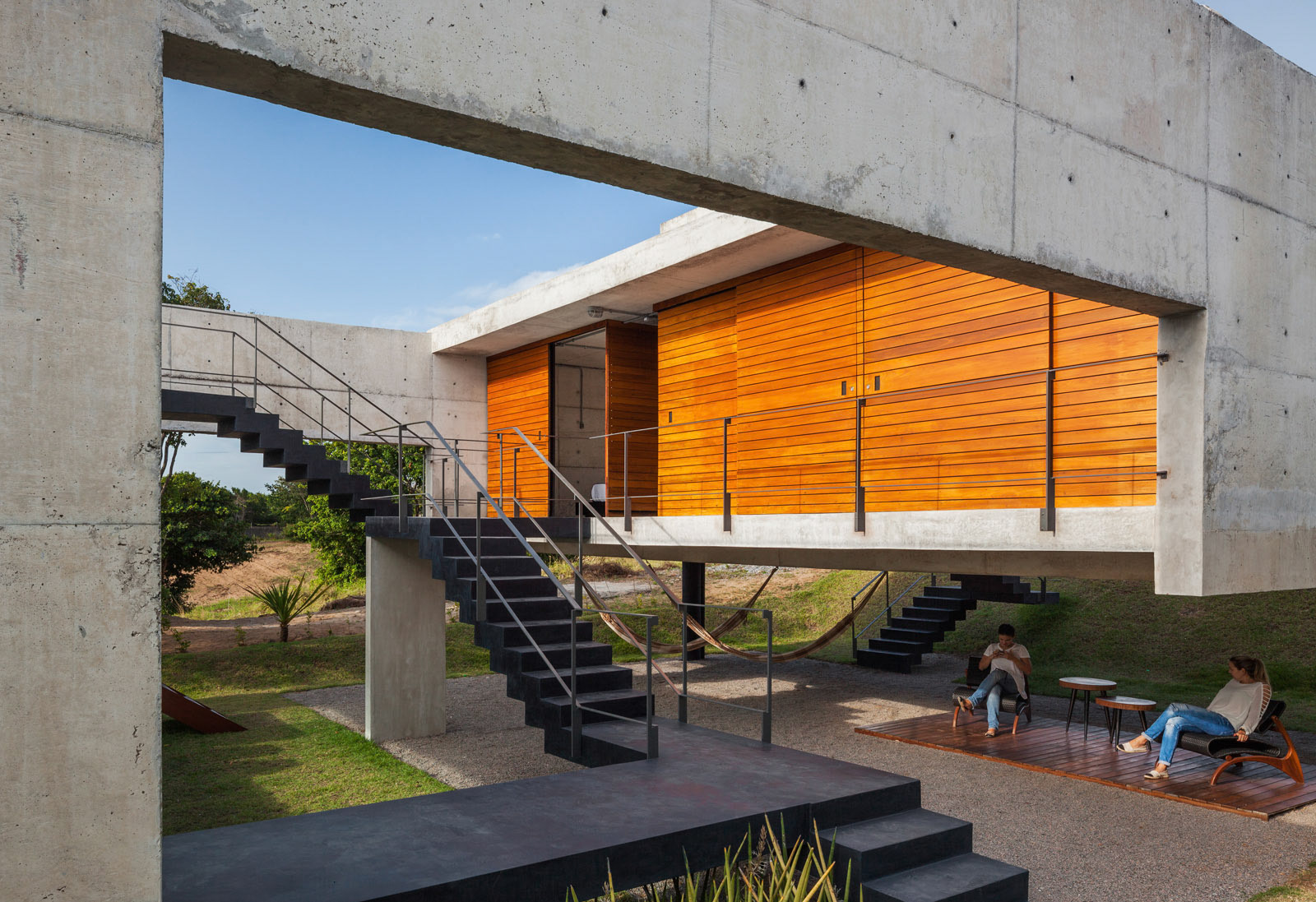
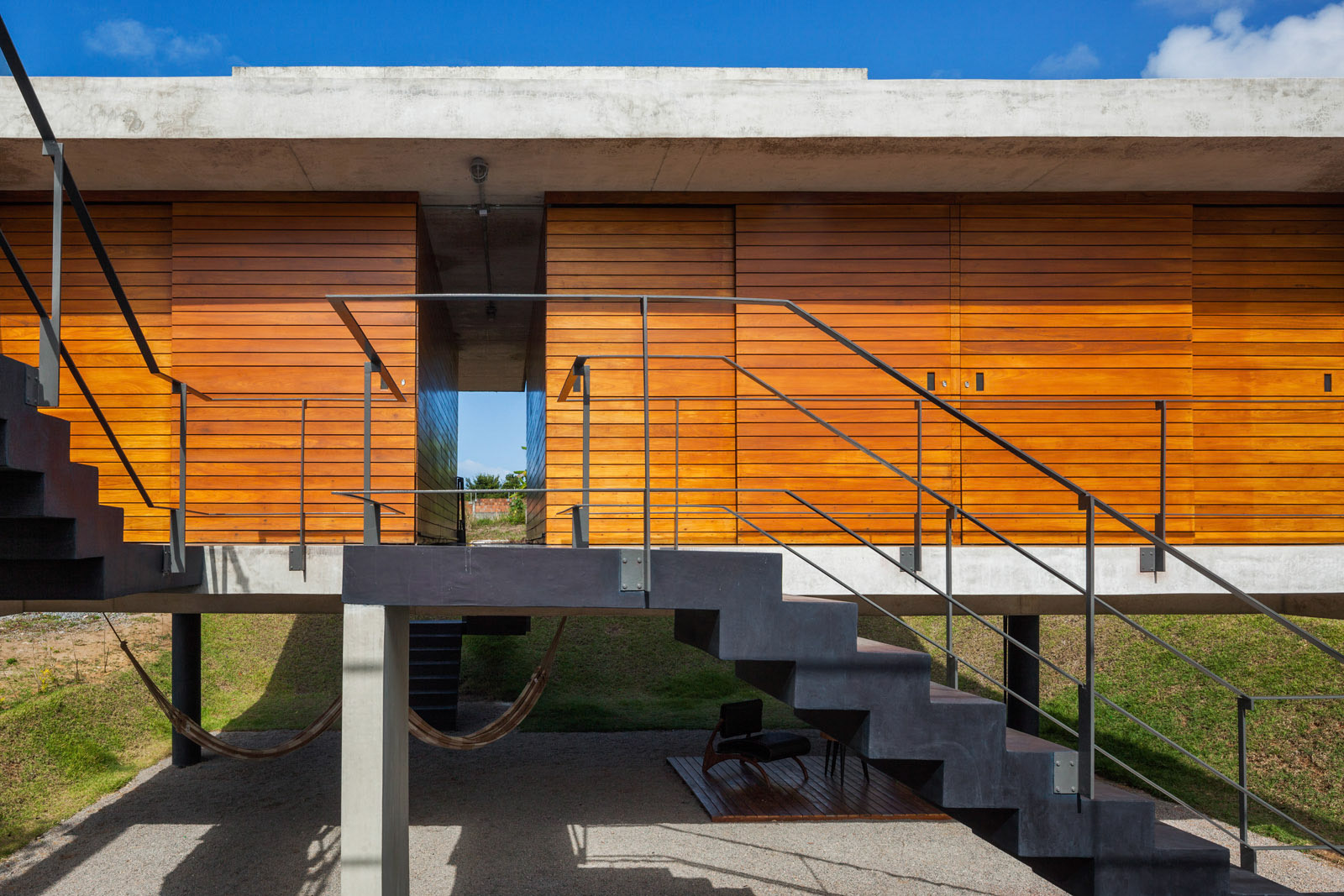
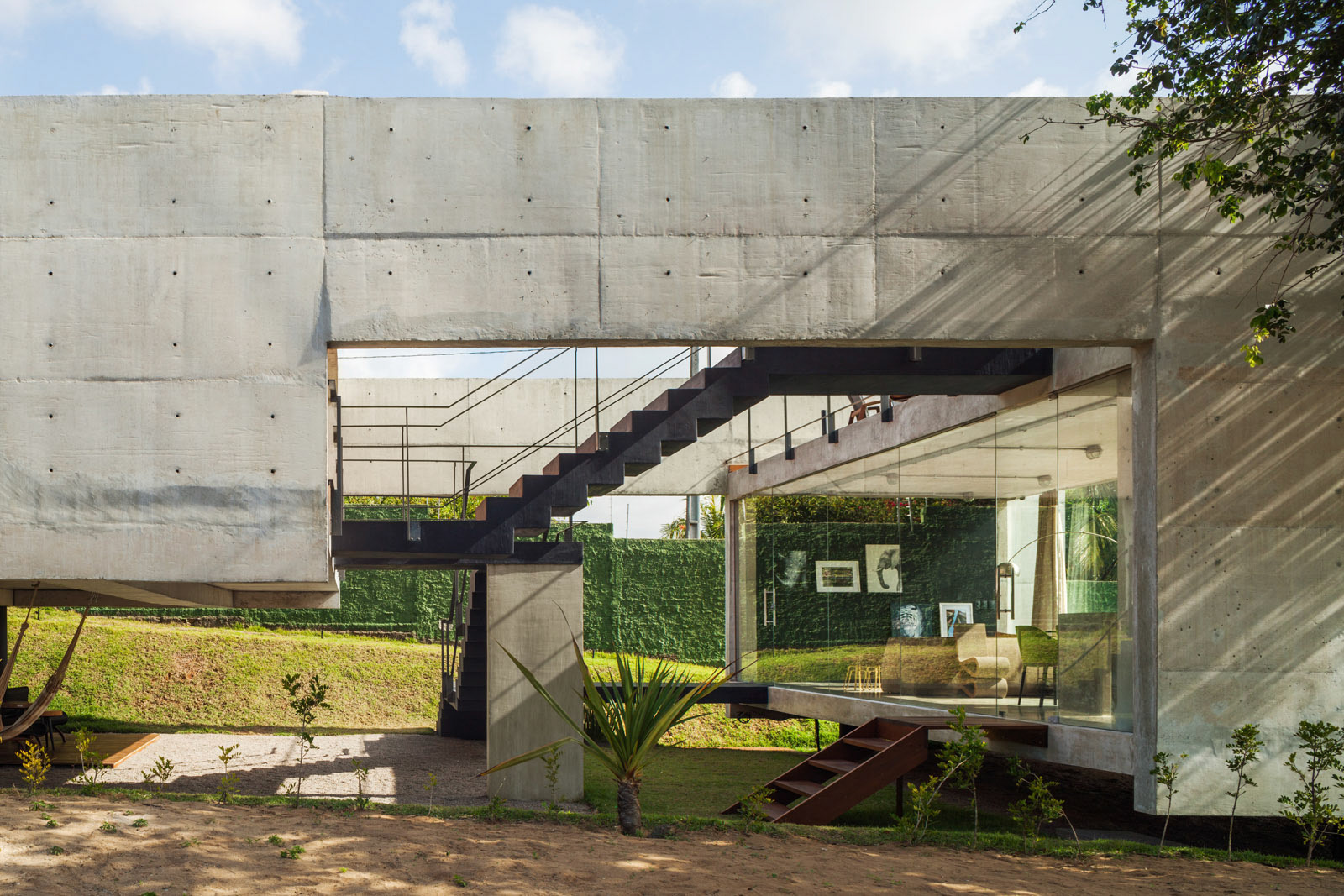
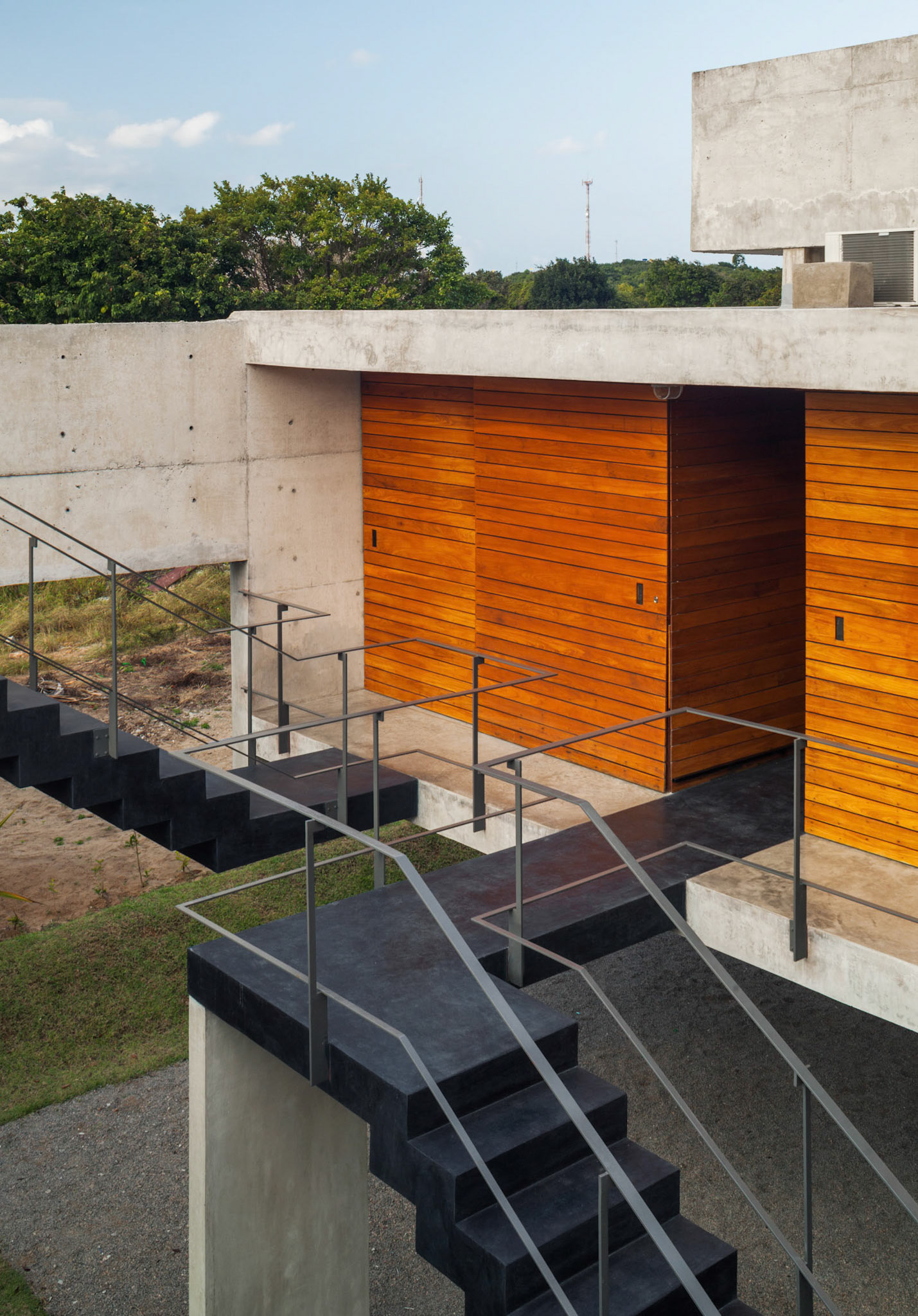
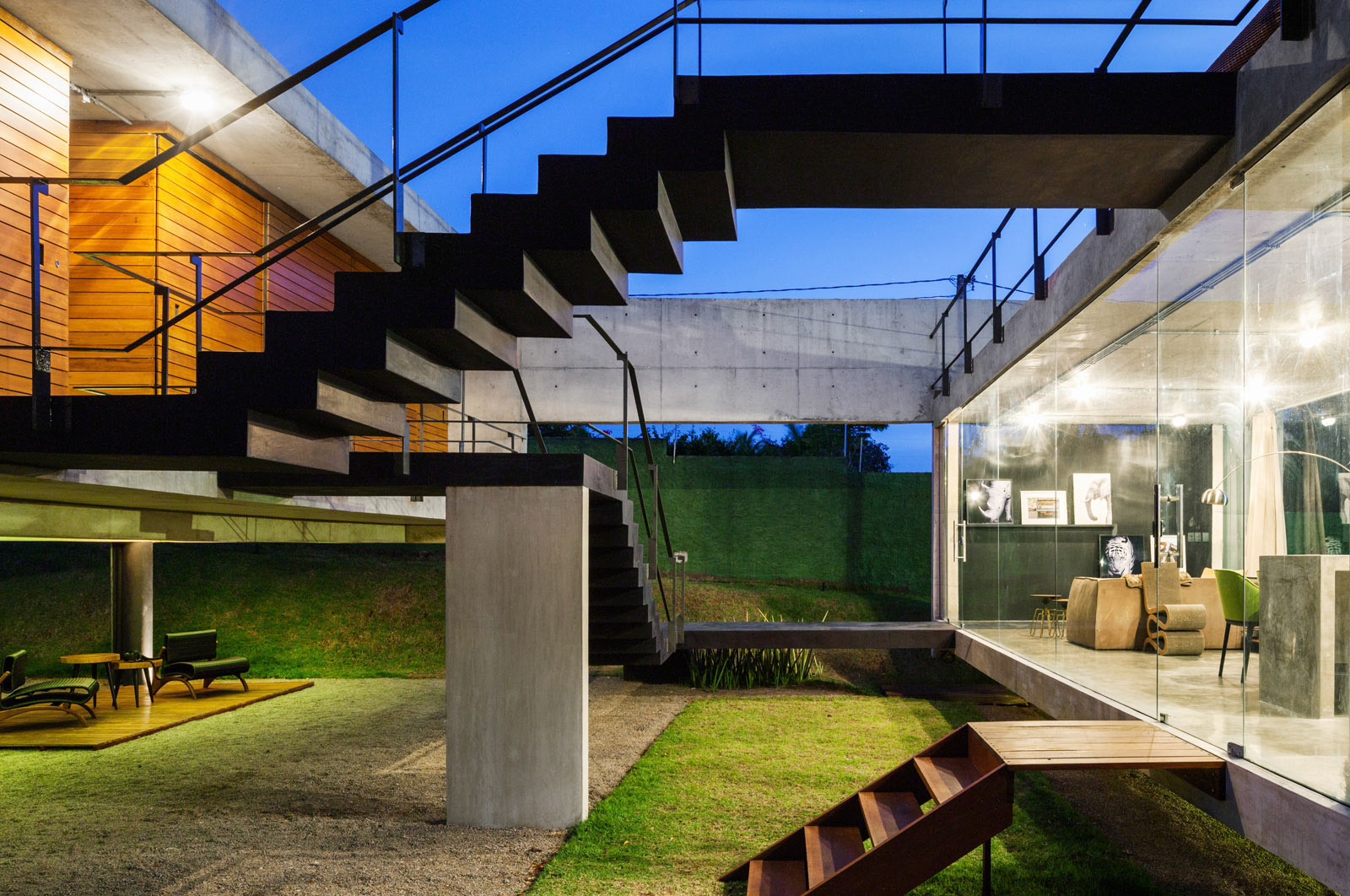
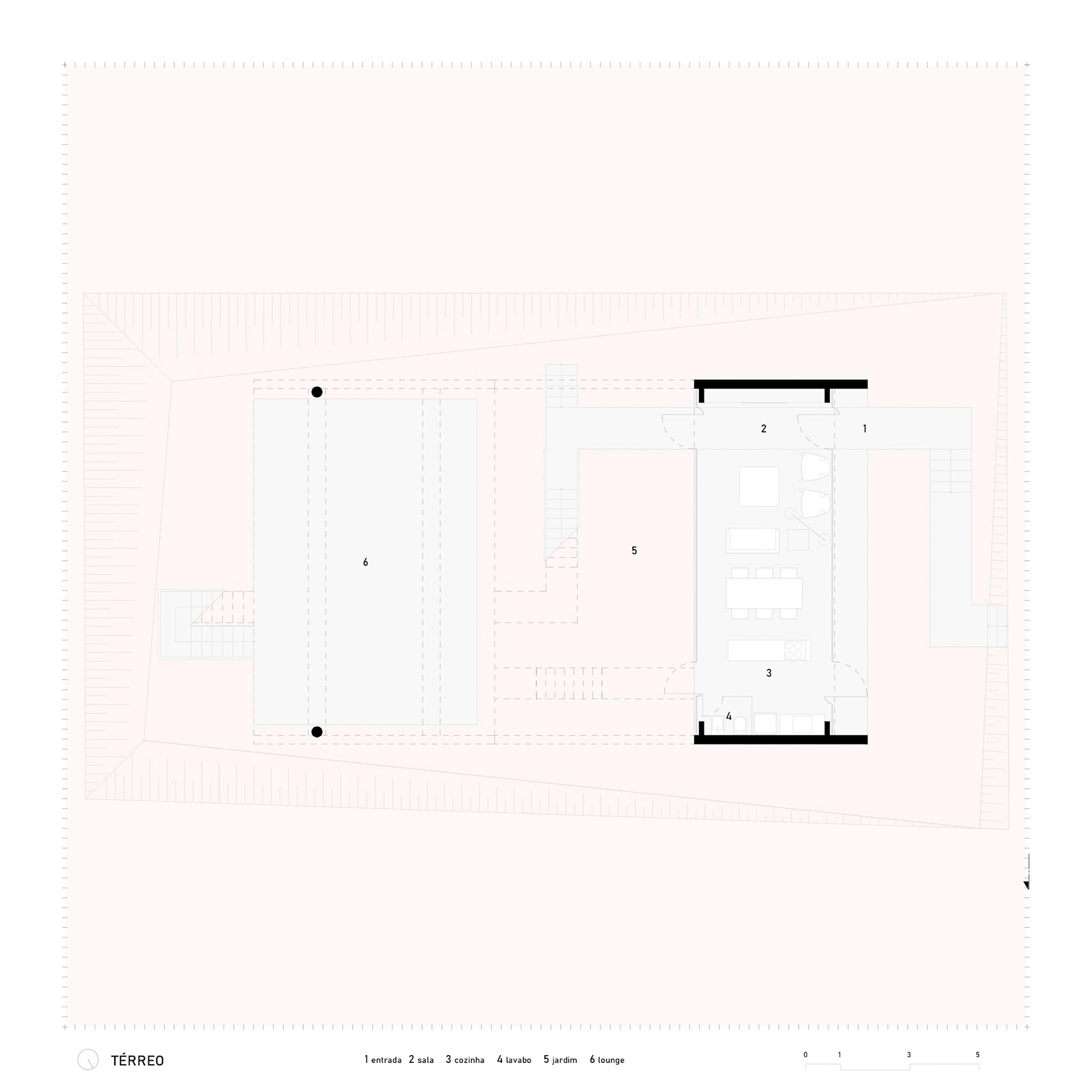
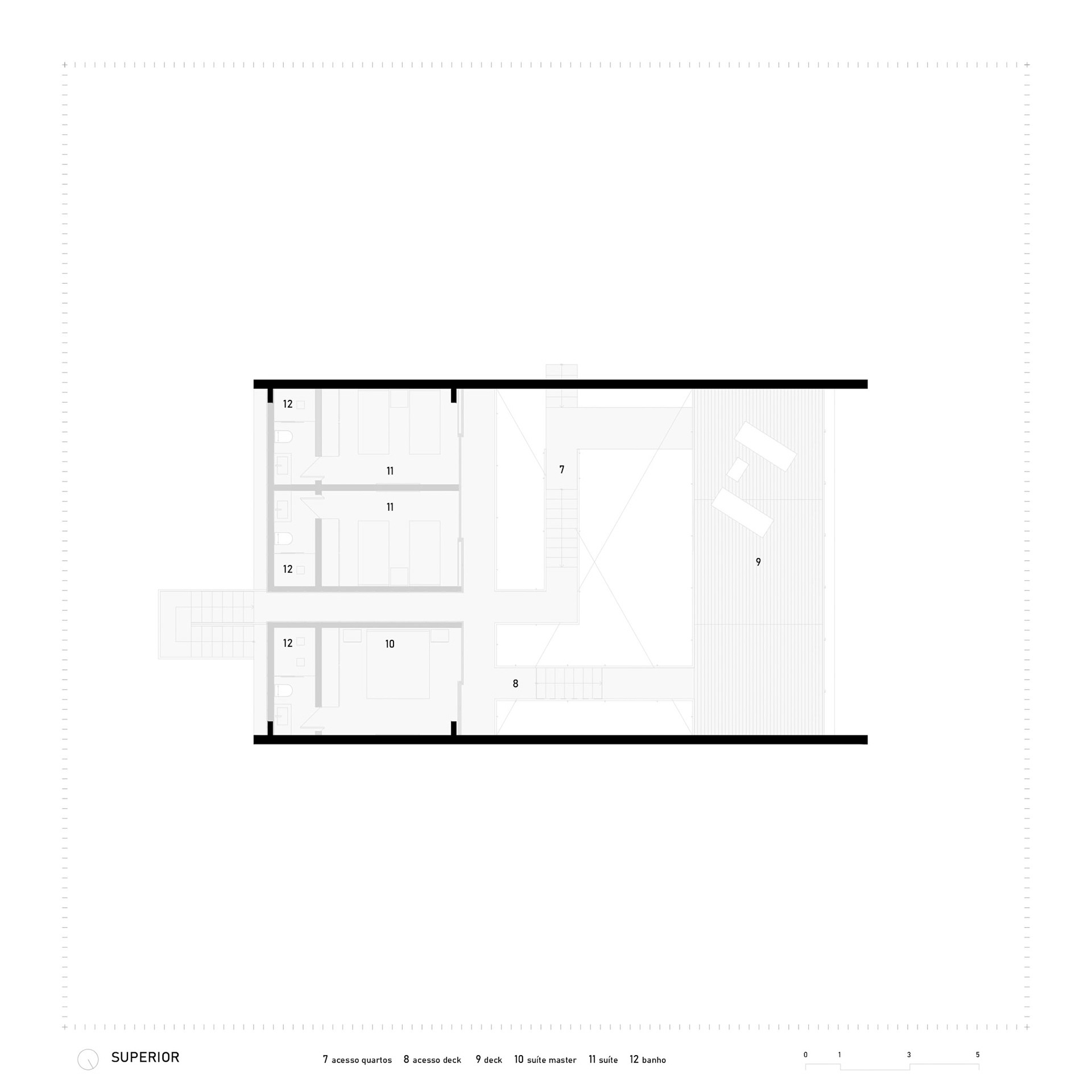
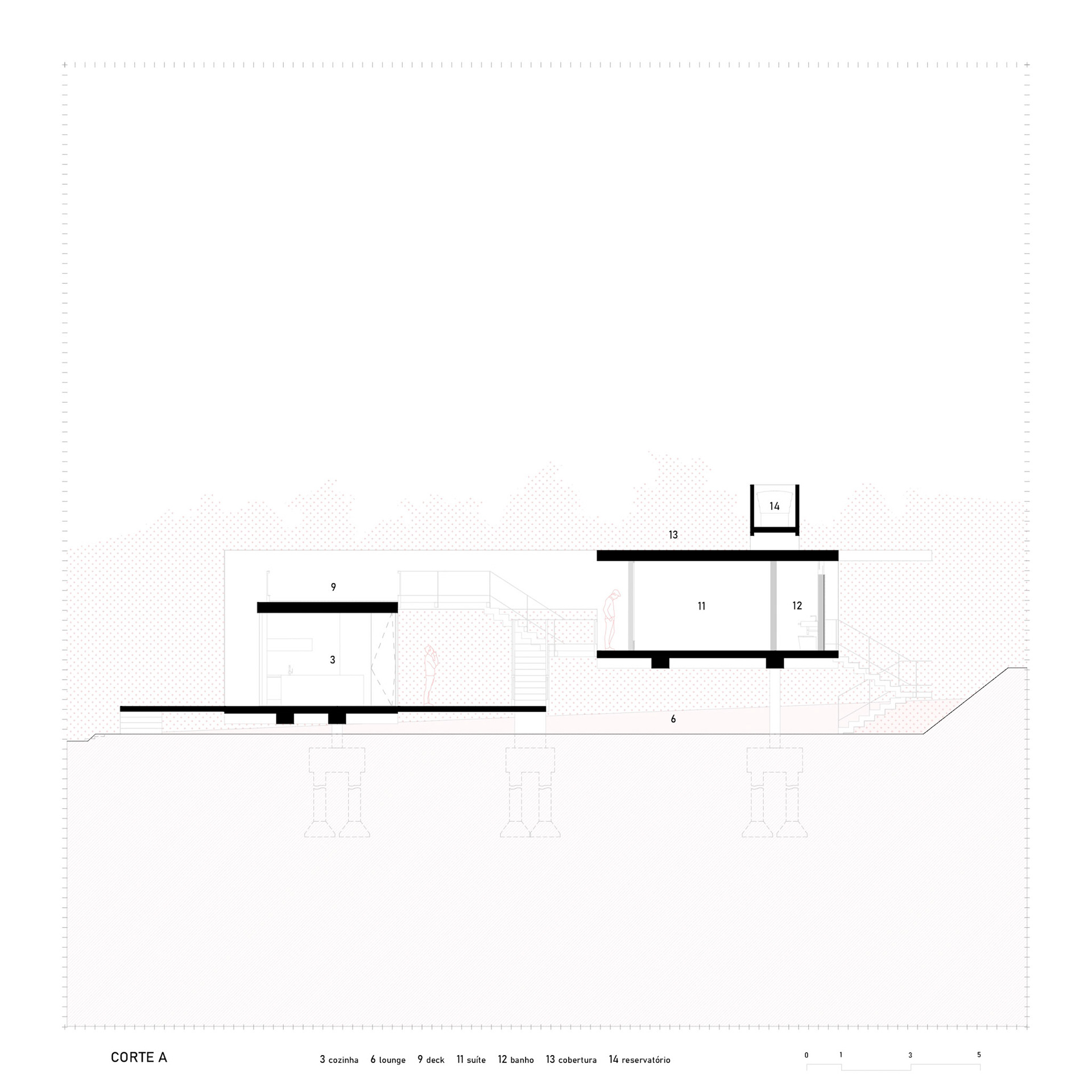
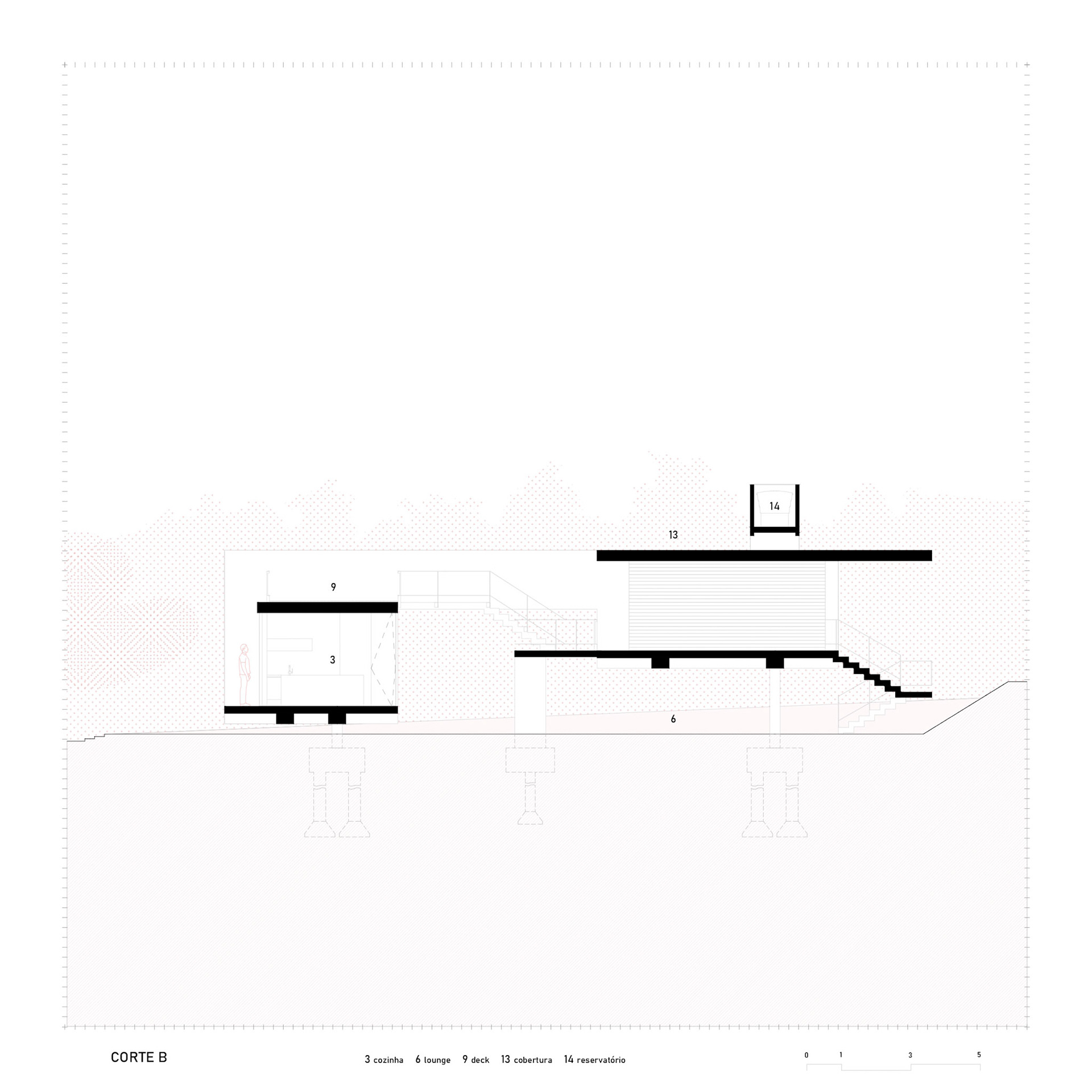
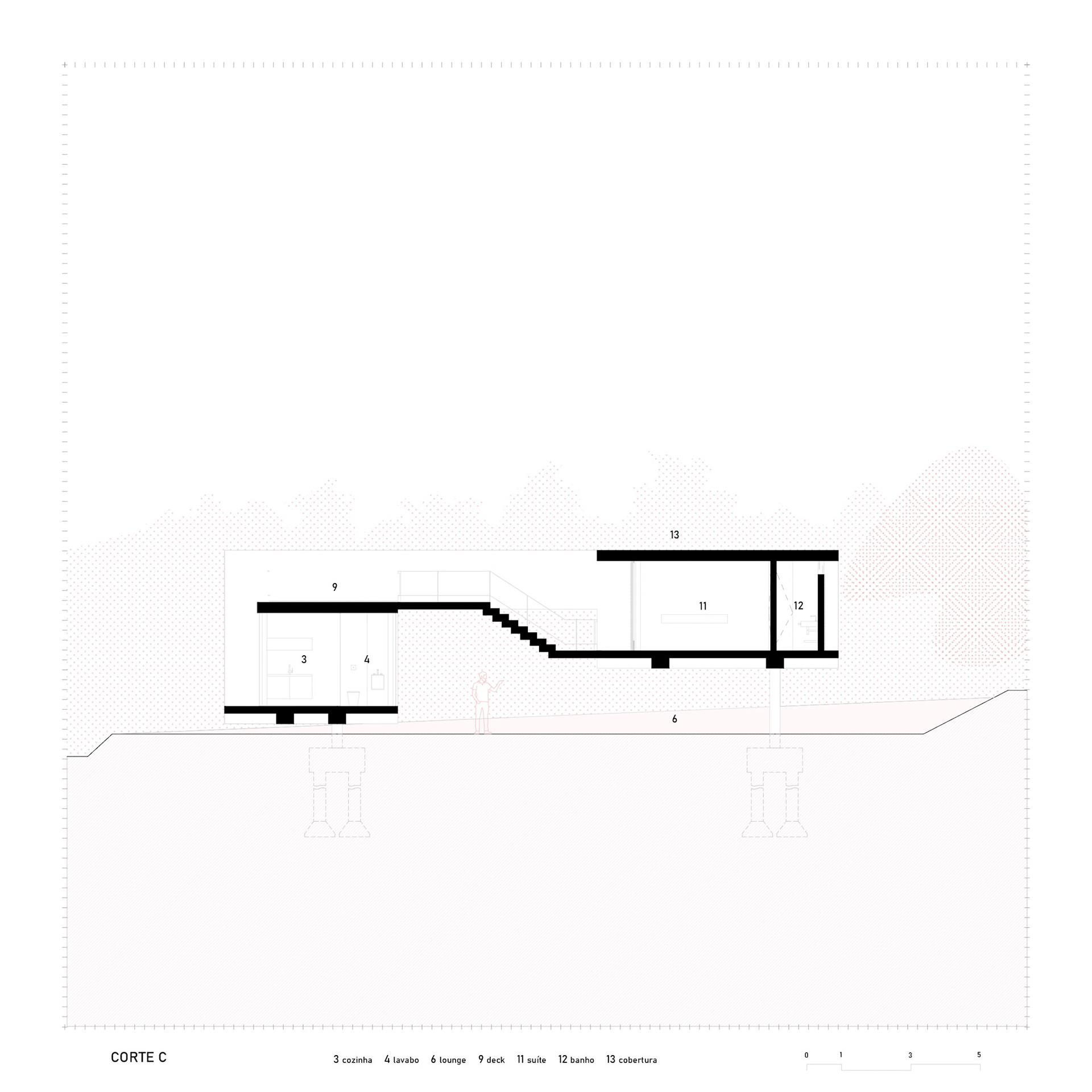
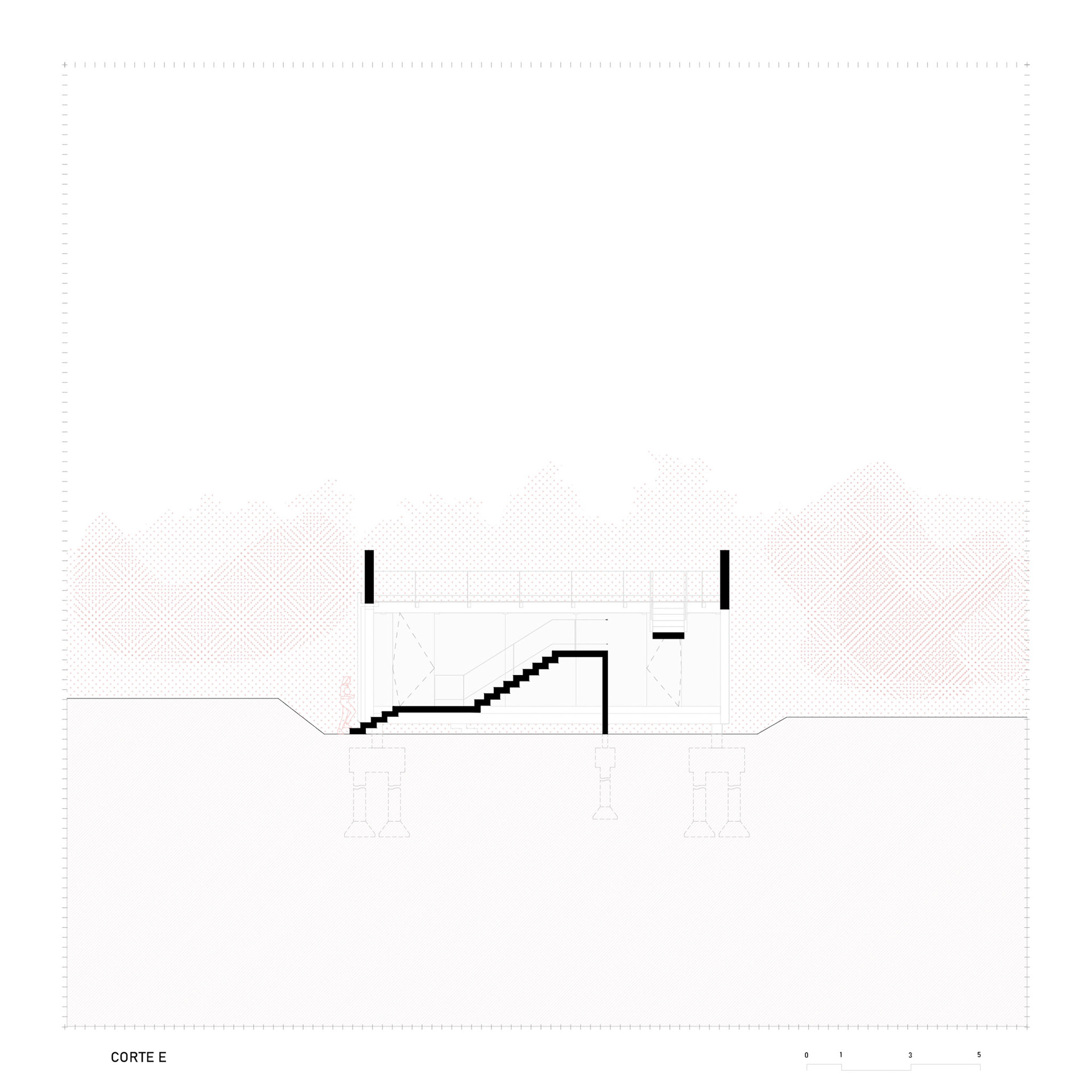
O terreno, em declive, orientou a organização em dois pavilhões, deslocados entre si e conectados por uma sequência de escadas que conduzem o corpo e o olhar. A diferença de cotas não é obstáculo, mas oportunidade. É do desnível que nasce a espacialidade — esse espaço contínuo que permite, de qualquer ponto, ver o mar, sentir o vento, perceber a luz.
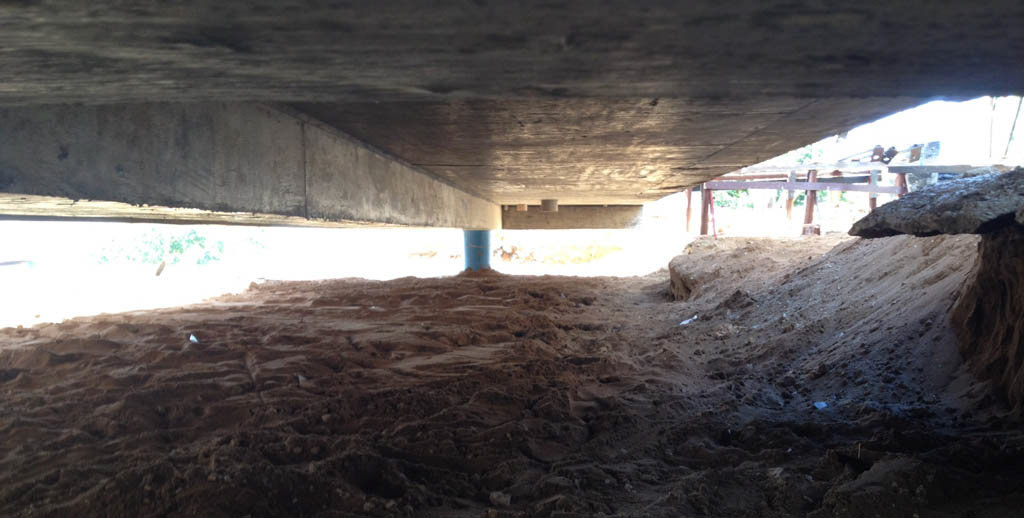
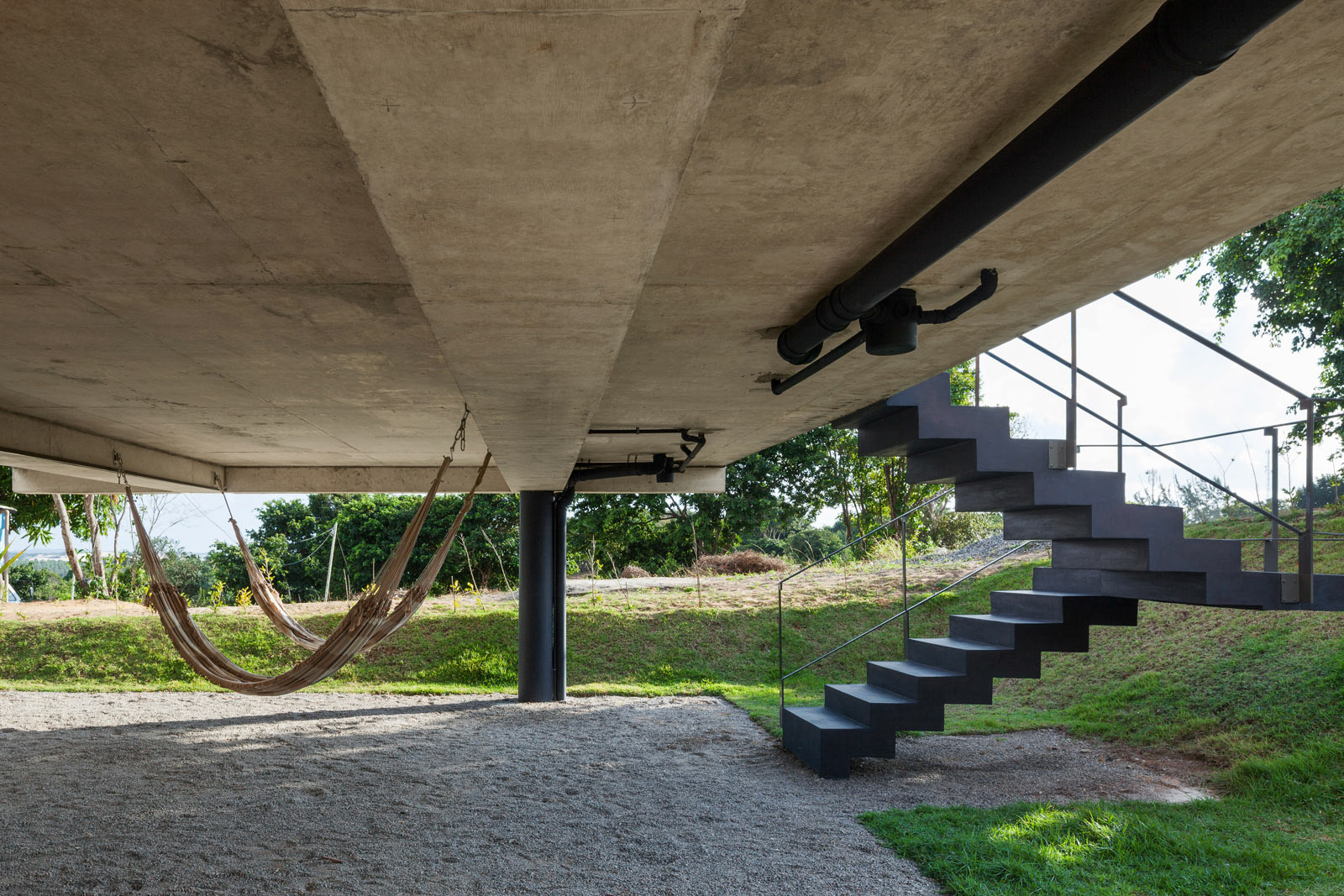
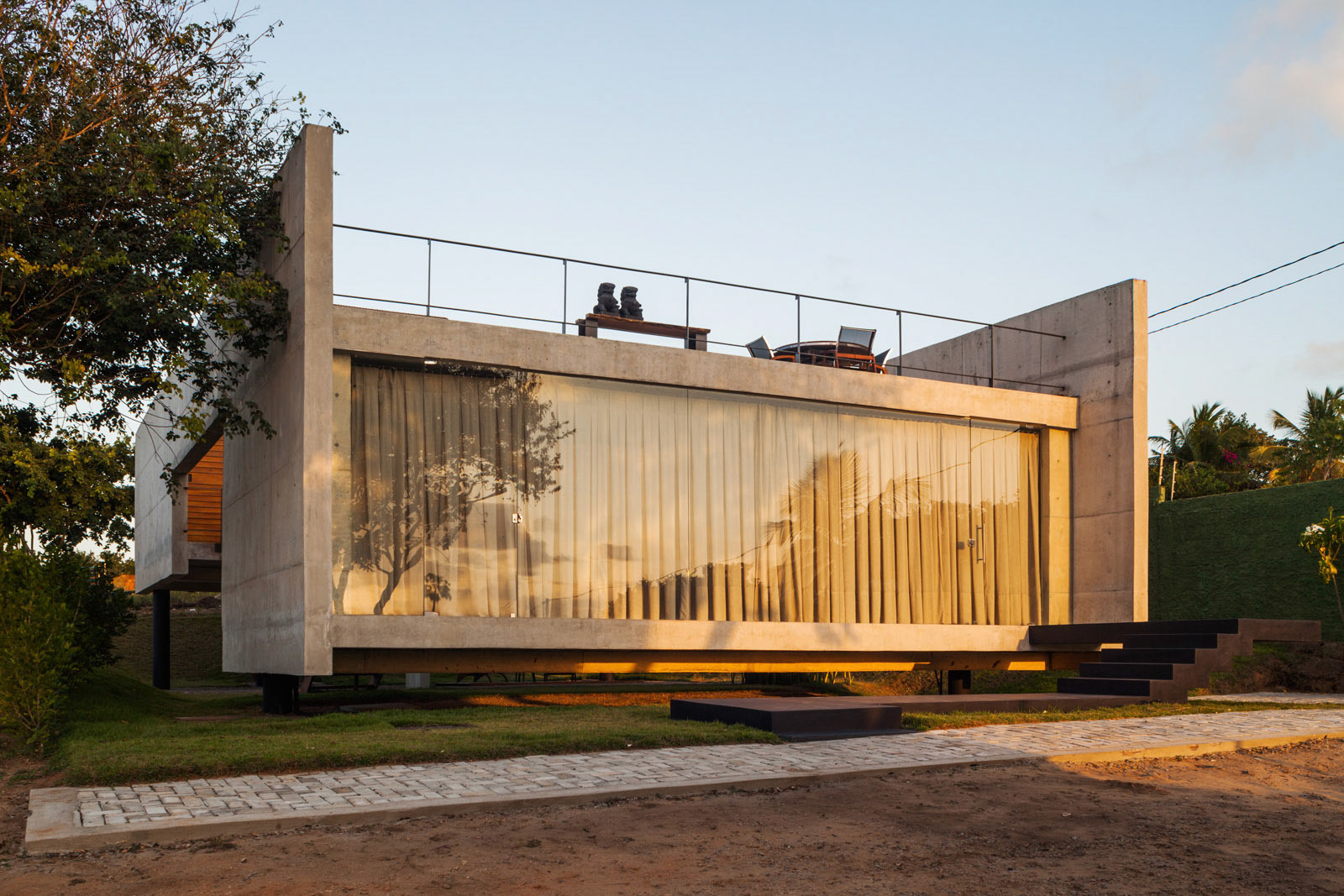
Sob o vão, o vazio. Um abrigo à sombra, onde o ar circula livre e o tempo se dilata. Esse espaço inferior, ora lugar de descanso, ora de encontro, é o intervalo que torna a arquitetura viva — o espaço que não se desenha, mas que acontece.
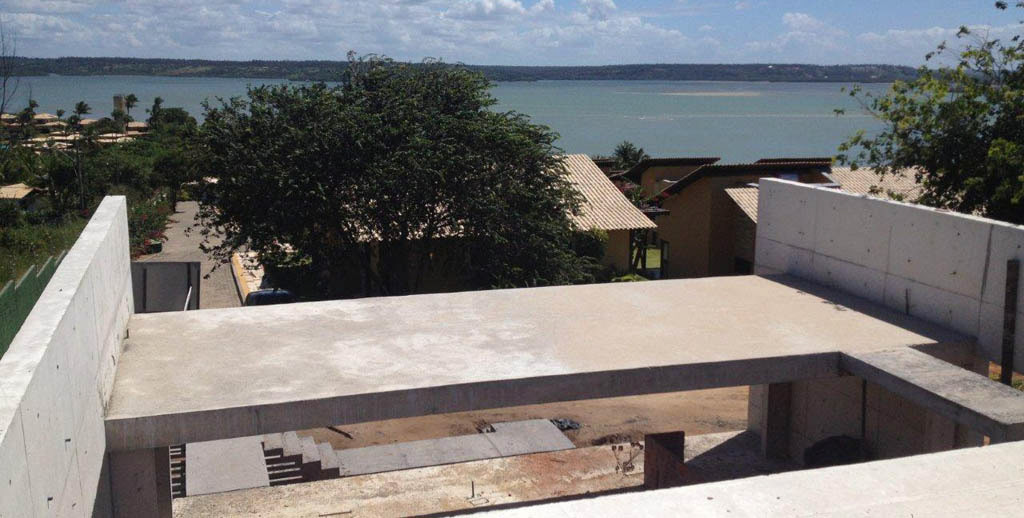
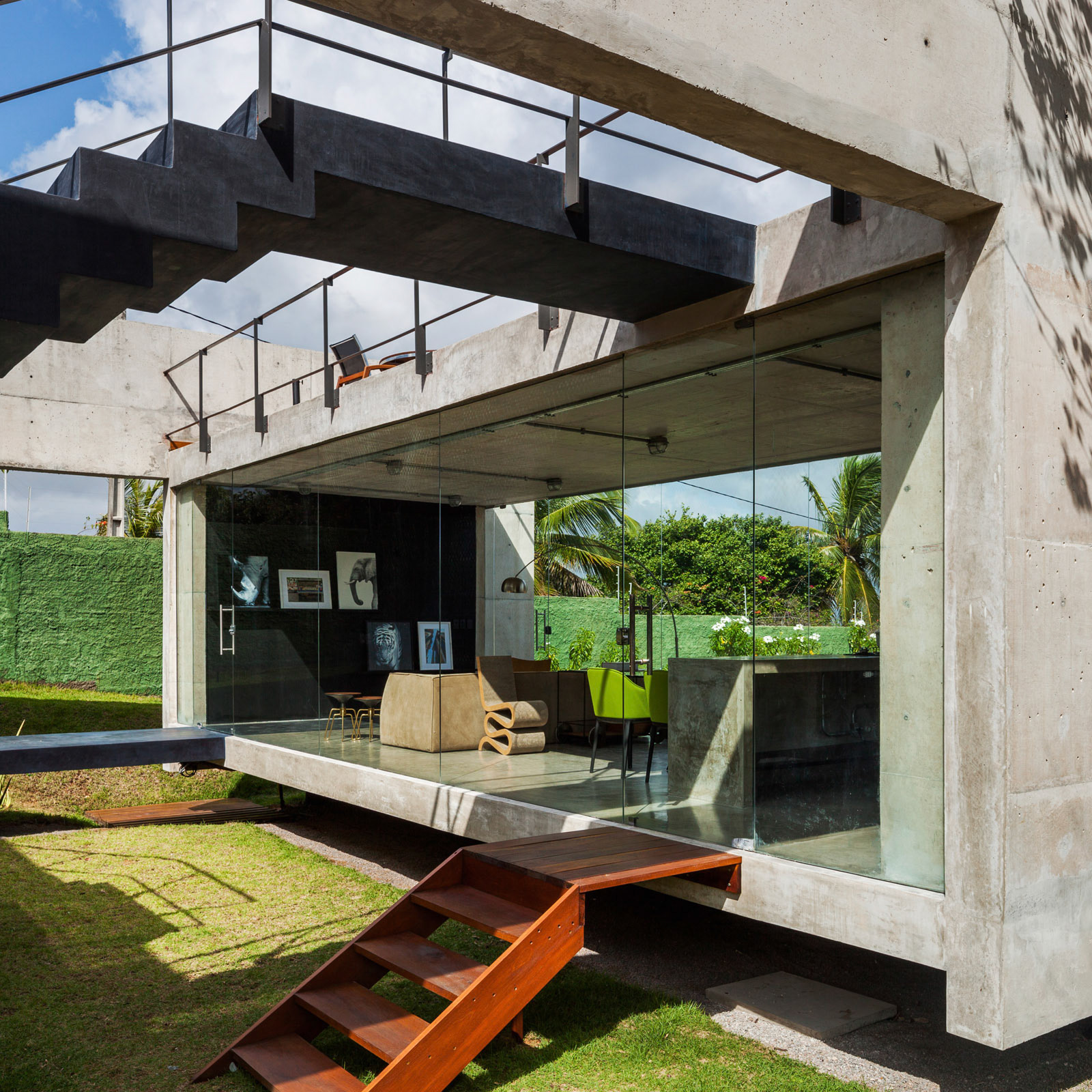
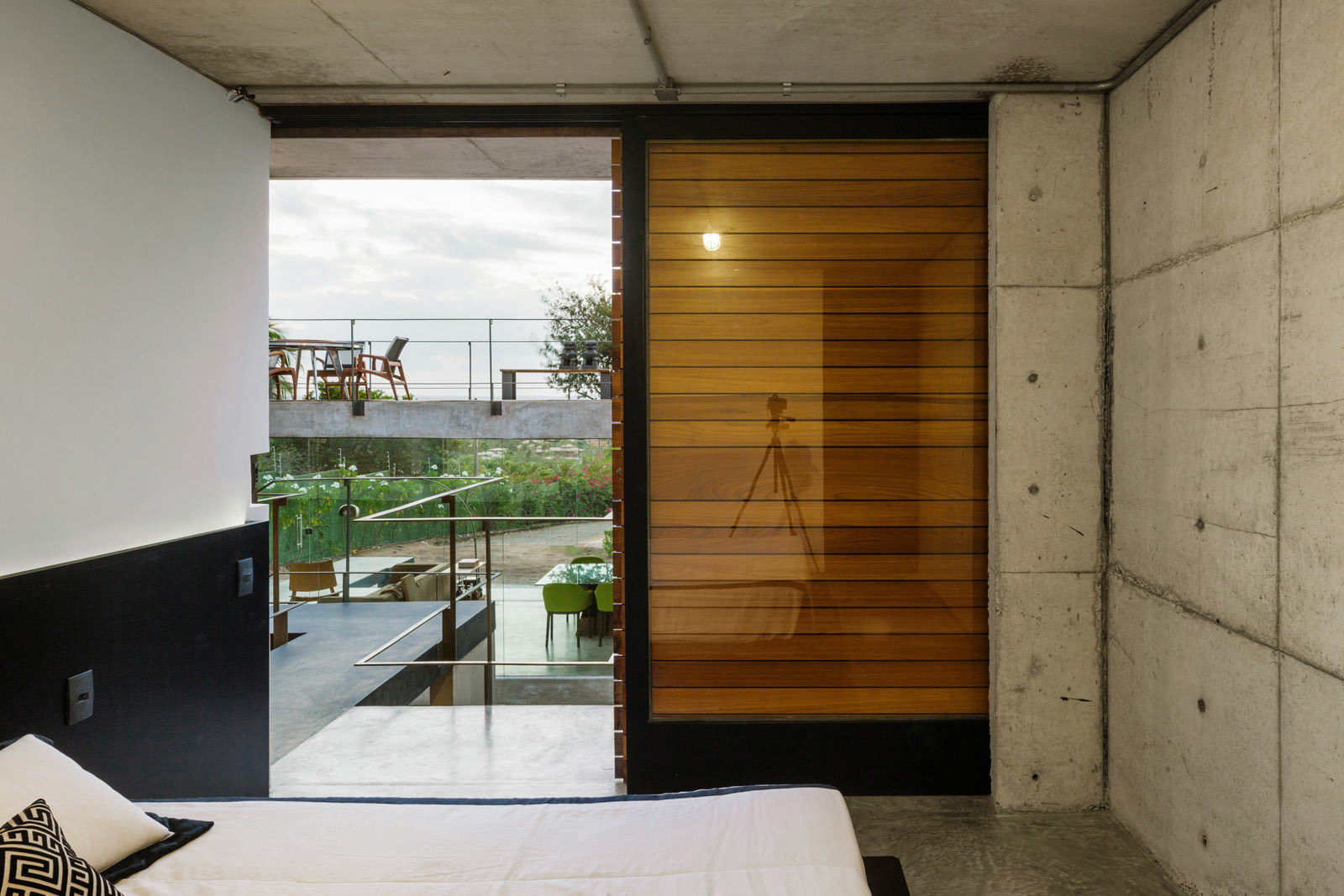
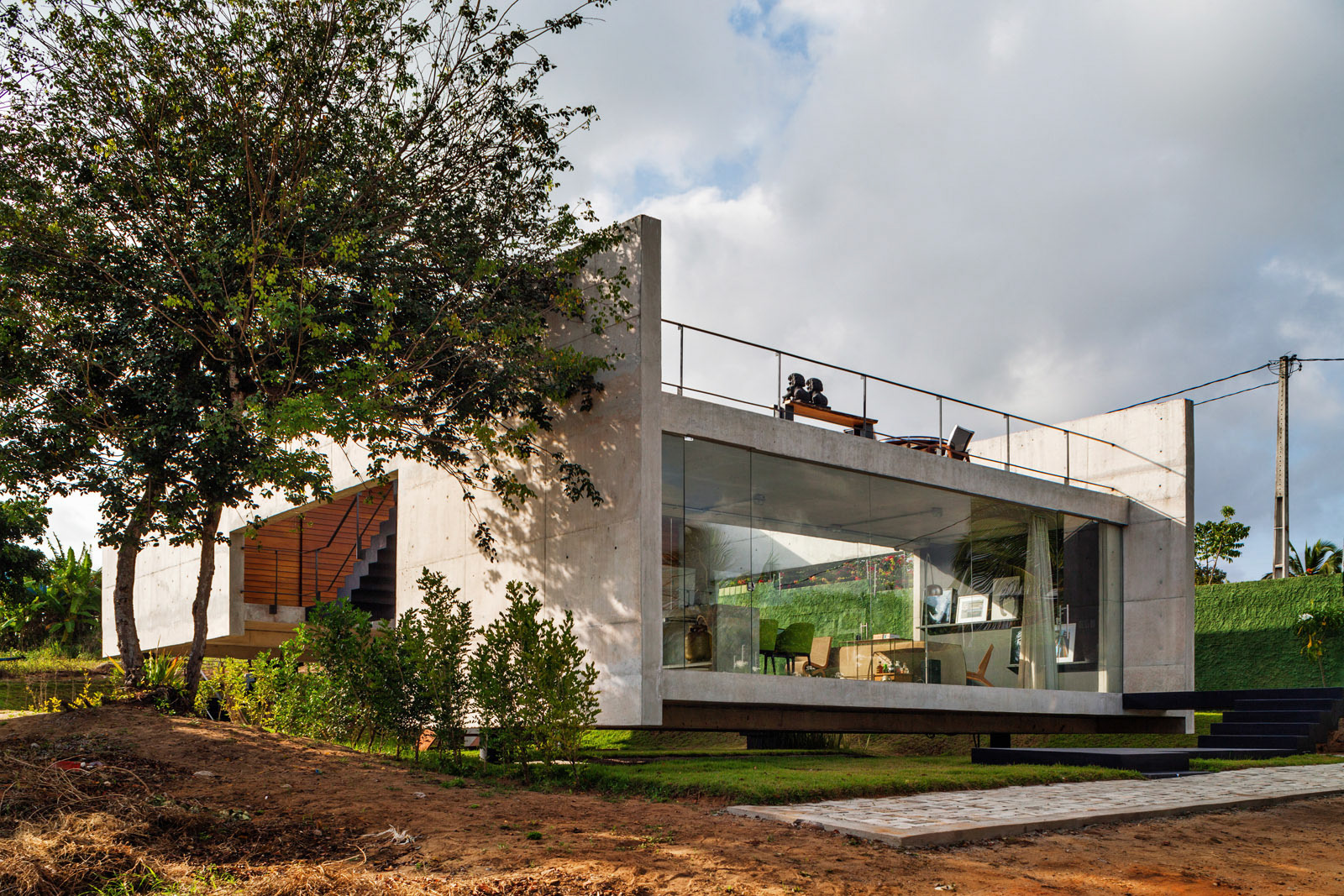
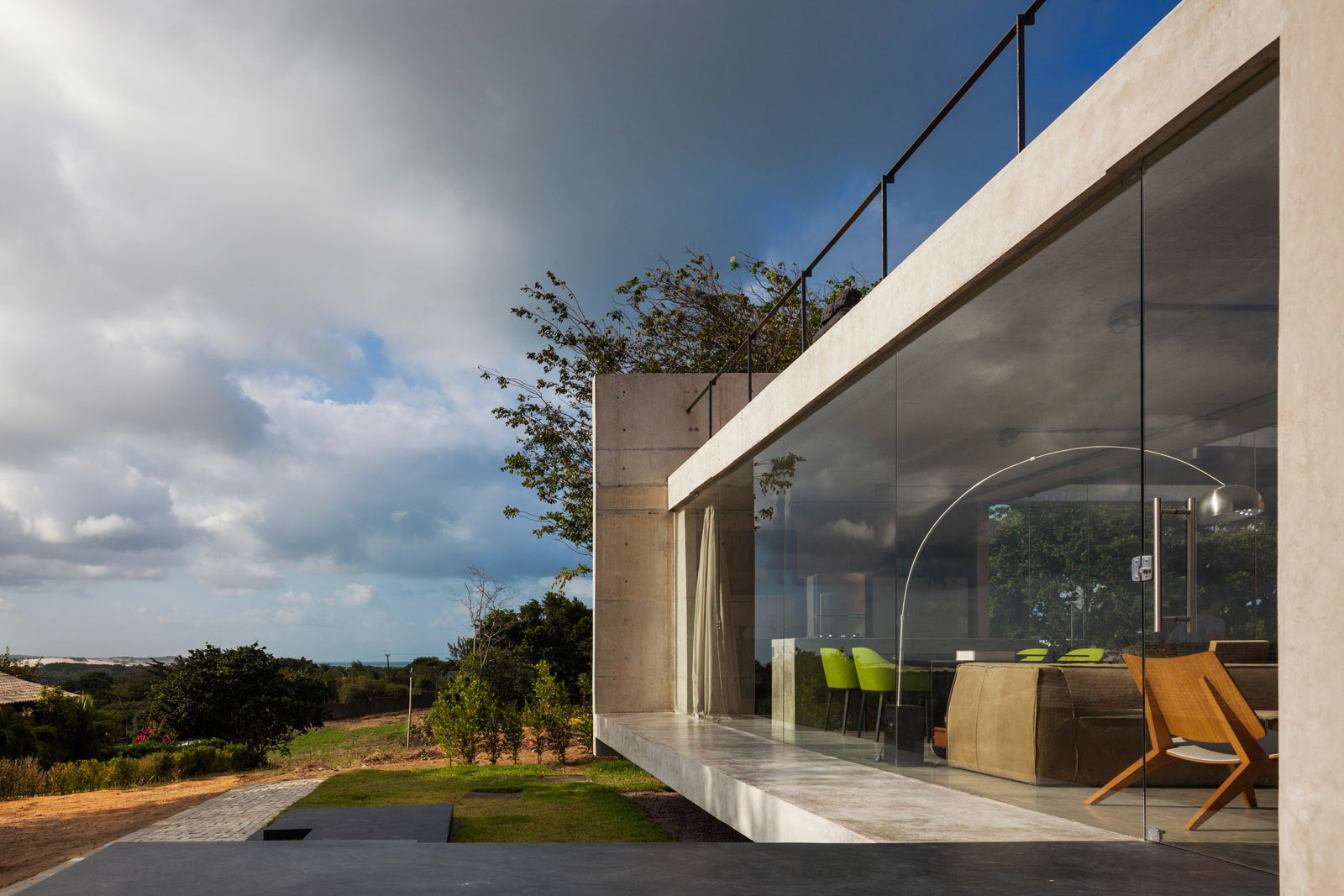
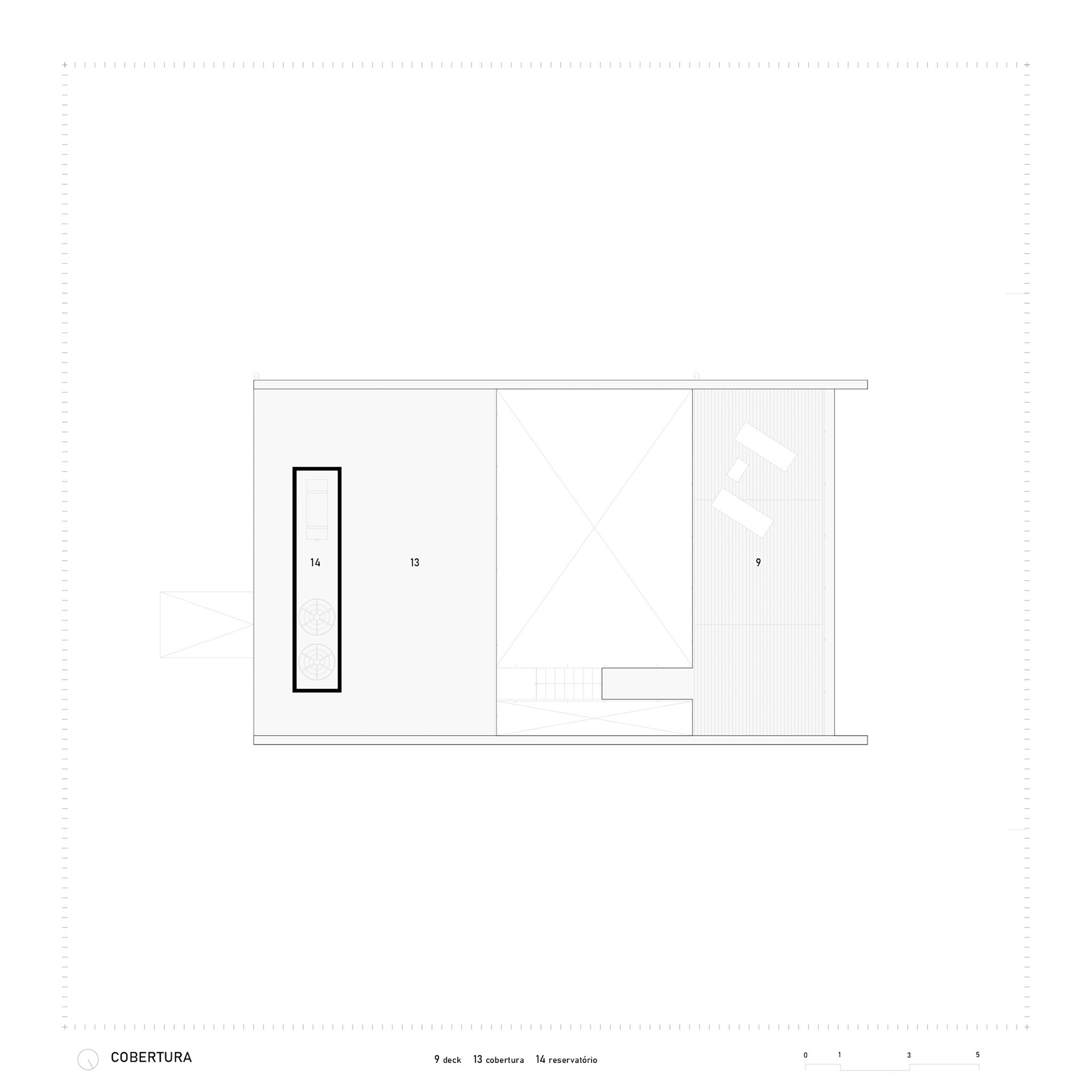
No pavilhão superior, um terraço se projeta sobre as copas das árvores. A vista se abre e o horizonte se faz presente. A natureza não está em volta da casa: está dentro dela, incorporada à estrutura, à sombra, à brisa. A árvore é também pilar; o vento, também parede.
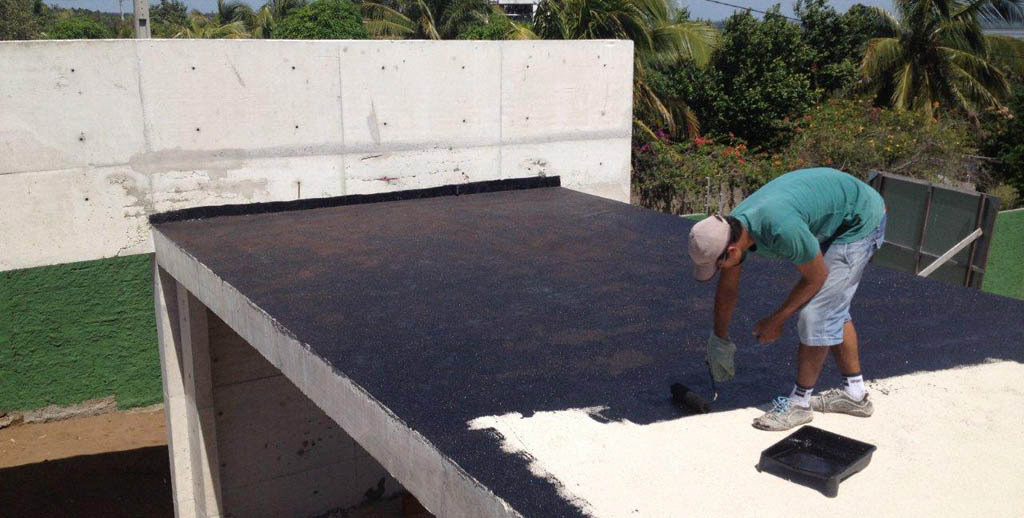
A escolha dos materiais segue o raciocínio da obra. Concreto, vidro, madeira e metal não se escondem. Cada elemento participa da construção como parte de um mesmo corpo, revelando a verdade do que sustenta. A casa é feita para durar — não por resistência heroica, mas por coerência.
Mais do que uma residência, é um modo de pensar a arquitetura. A Casa das Duas Vigas demonstra que o essencial basta, e que a beleza surge quando se constrói apenas o necessário. A estrutura é o espaço, e o espaço é o próprio lugar. O que se ergue aqui não é apenas uma casa — é um modo de estar no mundo.
ENG |
Set between the sea, the lagoon, and the hillside, the Two-Beam House (Casa das Duas Vigas) rests upon the terrain like something alighting. The architecture is born from the precision of a simple gesture: two beams, four pillars, and the space that follows. The structure, reduced to the essential, is the very design of the house. It does not represent—it constructs.
The sloping terrain guided the organization into two pavilions, offset from one another and connected by a sequence of stairs that lead both the body and the gaze. The difference in elevation is not an obstacle, but an opportunity. It is from this slope that the spatiality is born—a continuous space that allows one, from any point, to see the sea, feel the wind, and perceive the light.
Beneath the span, there is the void. A shelter in the shade, where air circulates freely and time dilates. This lower space—at times a place for rest, at others for gathering—is the interval that brings the architecture to life: the space that is not drawn, but that happens.
In the upper pavilion, a terrace projects over the treetops. The view opens up and the horizon makes itself present. Nature is not around the house: it is within it, incorporated into the structure, the shade, and the breeze. The tree is also a pillar; the wind, also a wall.
The choice of materials follows the logic of the work. Concrete, glass, wood, and metal do not hide. Each element participates in the construction as part of the same body, revealing the truth of what sustains it. The house is built to last—not through heroic resistance, but through coherence.
More than a residence, it is a way of thinking about architecture. The Two-Beam House demonstrates that the essential is enough, and that beauty emerges when one builds only what is necessary. The structure is the space, and the space is the place itself. What rises here is not merely a house—it is a way of being in the world.
Ю: Nelson Kon ©




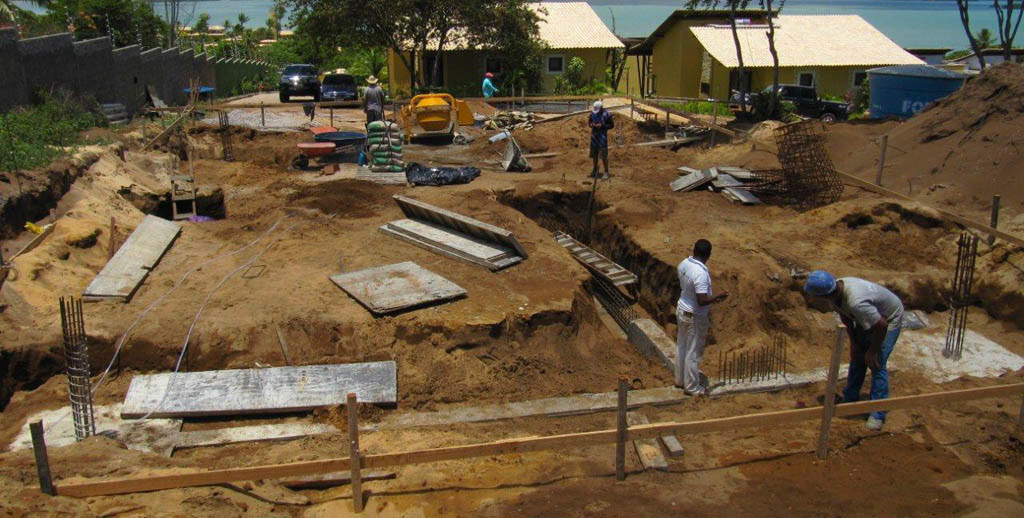
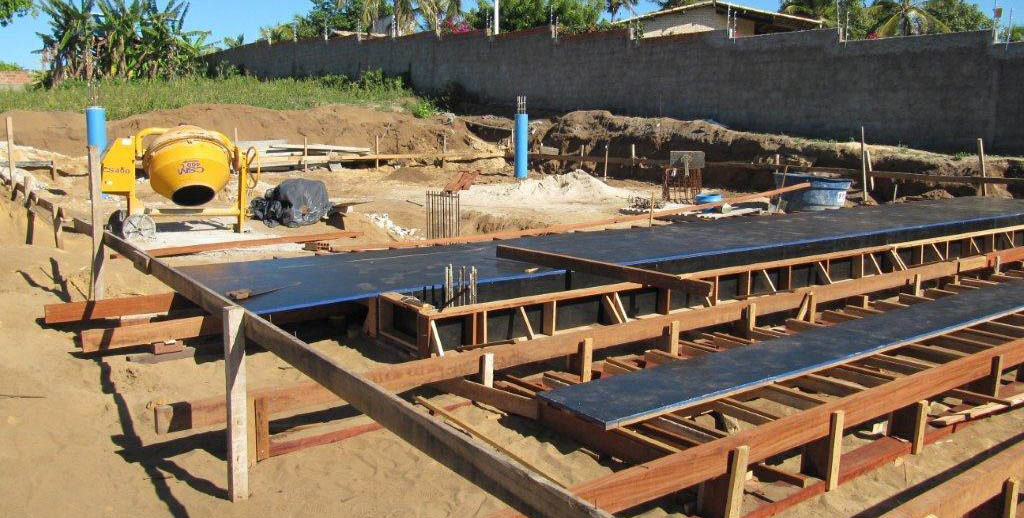
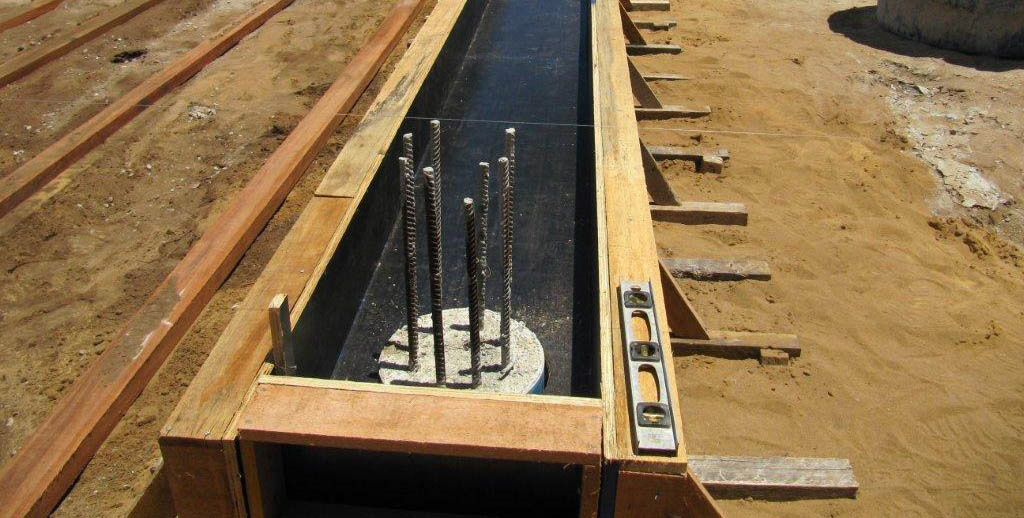
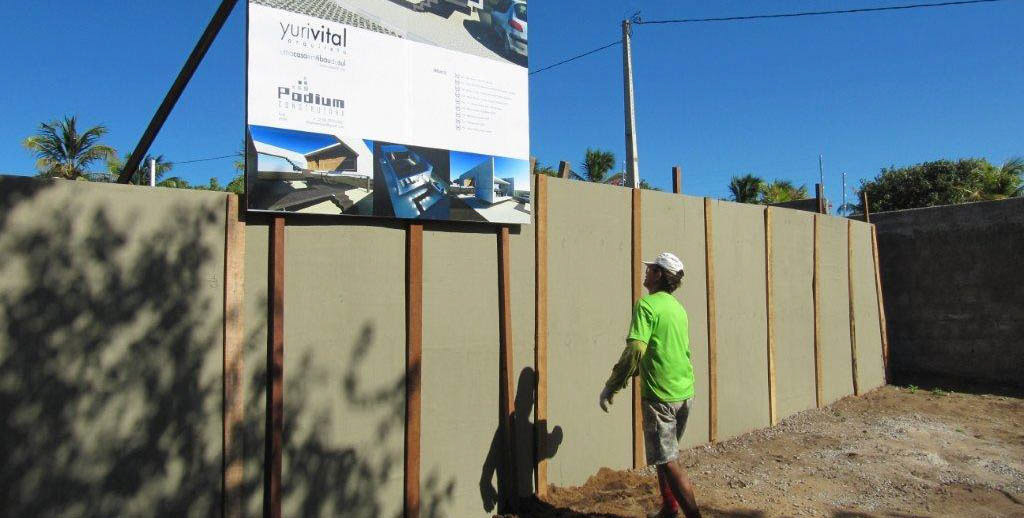
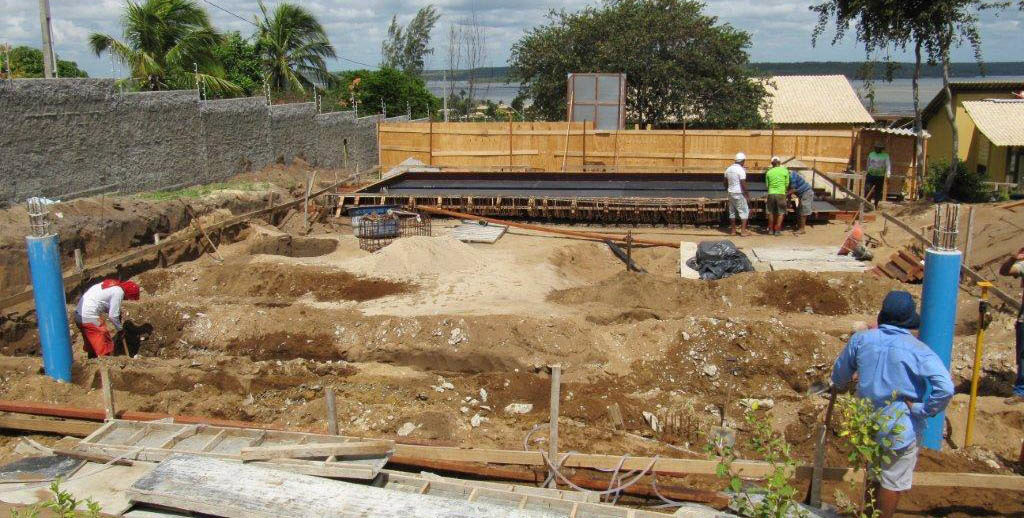
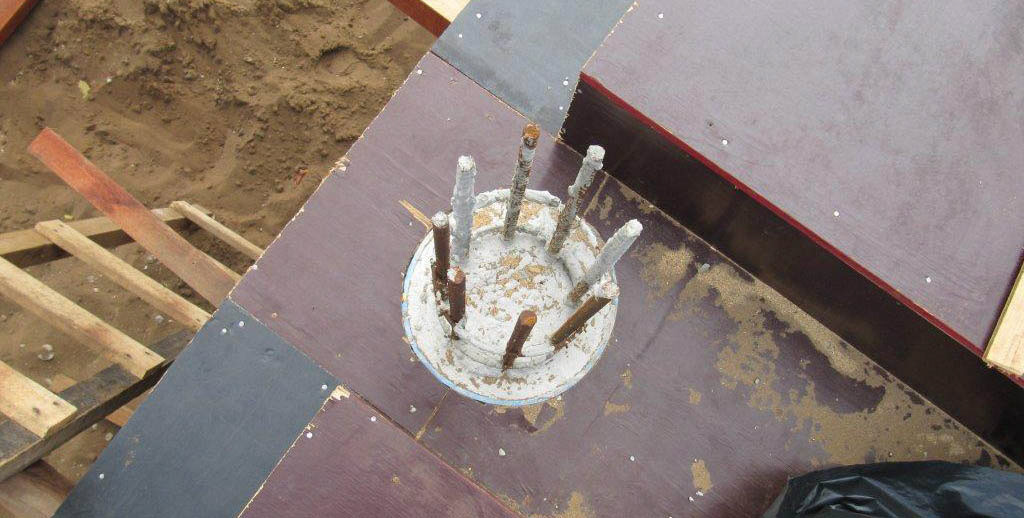
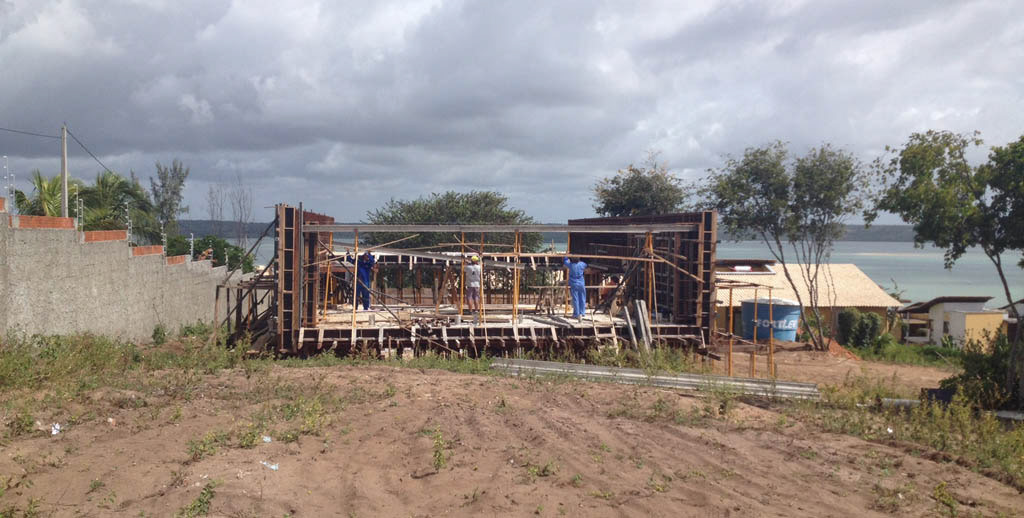
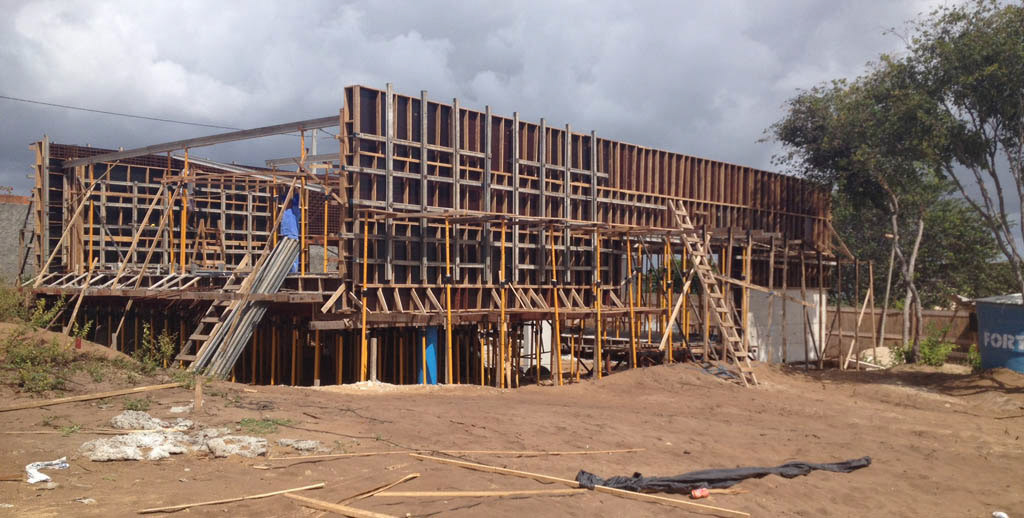
ACOMPANHAMENTO DE OBRA